

As we enter the final week of the 2026 Winter Olympics, we wanted to further explore the impact athletic competition can have, the potential of athletes to reshape discourse and culture, and the historical significance of trailblazing successes. Take a look at the below reading list on the impact of athletic excellence.
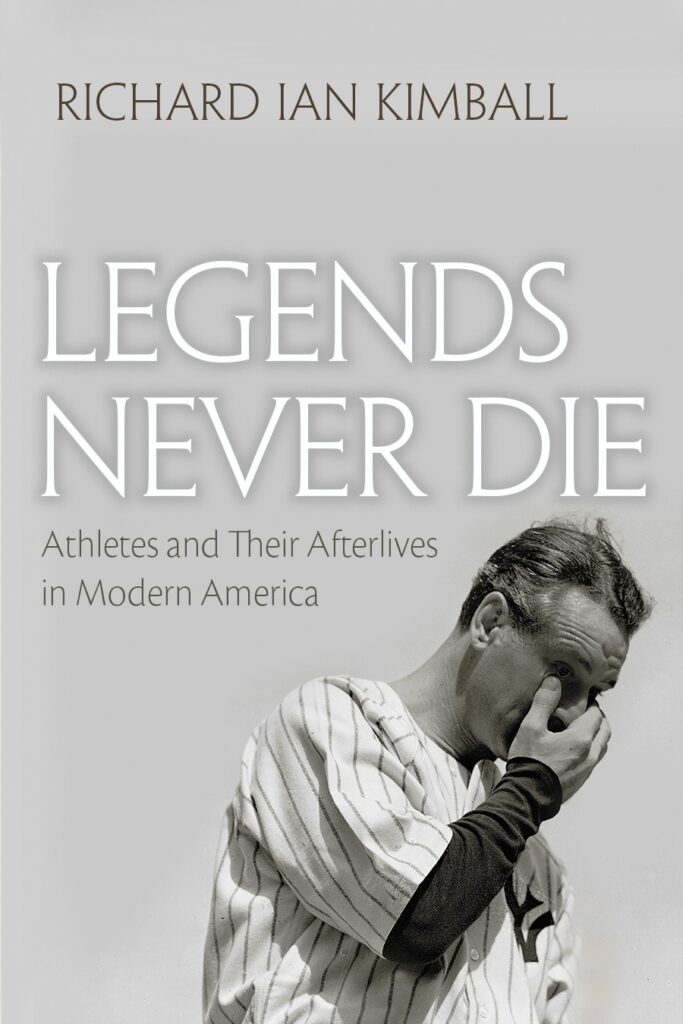
In Legends Never Die: Athletes and their Afterlives in Modern America, author Richard Ian Kimball explores the public myths and representations that surround a wide range of athletes, from Lou Gehrig and Joe DiMaggio to Dale Earnhardt and Bonnie McCarroll. Kimball delves deeper than just the cultural significance of sports and its players; he examines how each athlete’s narrative is shaped by gender relations, religion, and politics in contemporary America. In looking at how Americans react to the tragic deaths of sports heroes, Kimball illuminates the important role sports play in US society and helps to explain why star athletes possess such cultural power.
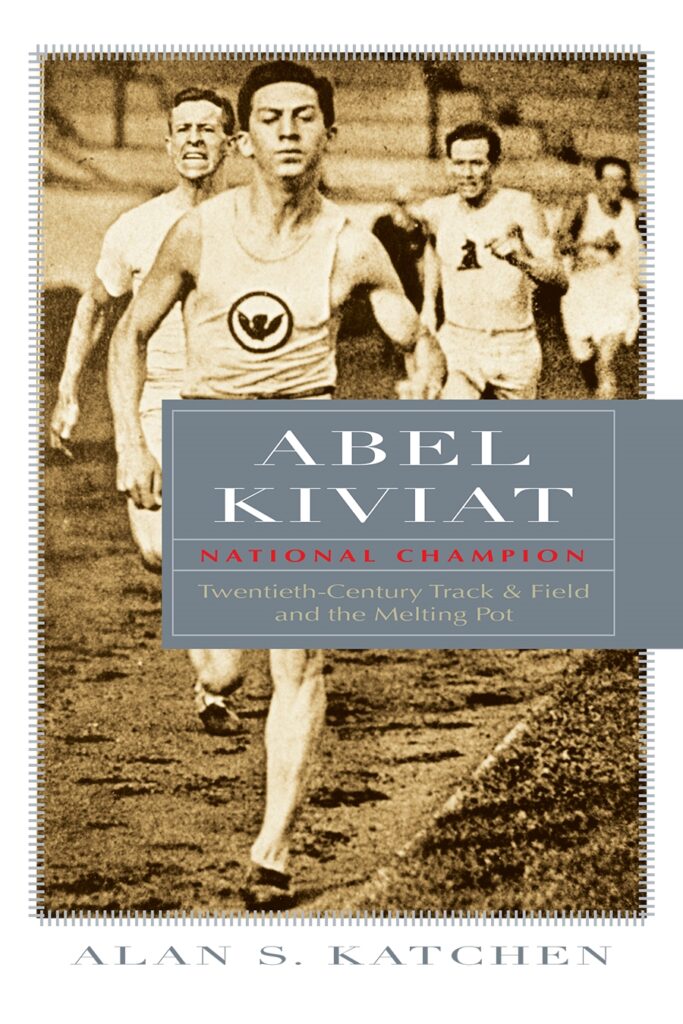
Abel Kiviat (1892-1991) was one of track and field’s legendary personalities, a world record-holder and Olympic medalist in the metric mile. A teenage prodigy, he defeated Hall of Fame runners before his twentieth birthday. In Abel Kiviat, National Champion: Twentieth-Century Track and Field and the Melting Pot, Alan S. Katchen brings Kiviat’s fascinating story to life and re-creates a lost world, when track and field was at the height of its popularity and occupying a central place in America’s sporting world. The oldest of seven children of Moishe and Zelda Kiviat, Jewish immigrants from Poland, Abel competed as “the Hebrew runner” for New York’s famed Irish-American Athletic Club and was elected its captain. Katchen’s engaging biography centers Abel Kiviat’s life and his sport firmly in the context of American social history and pays tribute to a remarkable athlete and the sport during its most dynamic and celebrated era.

Between World War I and World War II, women flocked to Chicago’s parks, playgrounds, and clubs, becoming enthusiastic participants, players, and fans of the games of the time. Robert Pruter’s Modern Women and Sports in Interwar Chicago; 1918–1941, examines how the Windy City became home to advancements in women’s track and field, swimming, basketball, golf, speed skating, and softball. As a work of sport and urban history, Pruter’s text situates the vibrant world of women’s athletics within the context of interwar Chicago’s new infrastructure and support from its religious and cultural institutions, newspapers, and industrial and retail firms.
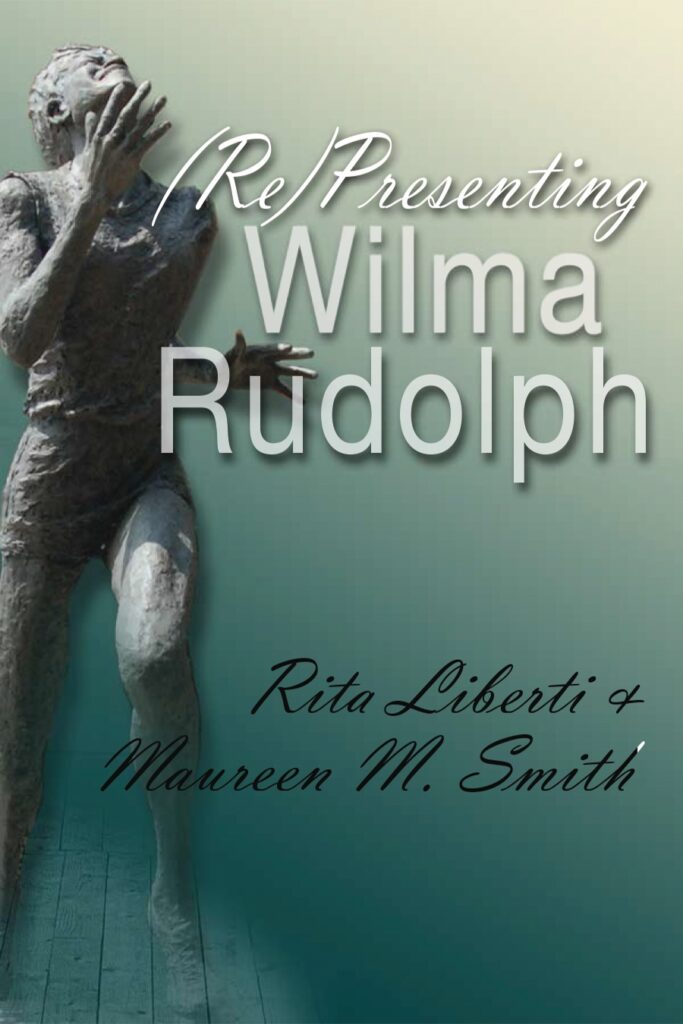
Wilma Rudolph was born black in Jim Crow Tennessee. The twentieth of 22 children, she spent most of her childhood in bed suffering from whooping cough, scarlet fever, and pneumonia. She lost the use of her left leg due to polio and wore leg braces. With dedication and hard work, she became a gifted runner, earning a track and field scholarship to Tennessee State. In 1960, she became the first American woman to win three gold medals in a single Olympic Games. Her underdog story made her into a media darling, and she was the subject of countless articles, a television movie, children’s books, biographies, and she even featured on a U.S. postage stamp. In (Re)Presenting Wilma Rudolph, authors Maureen M. Smith and Rita Liberti consider not only Rudolph’s achievements, but also the ways in which those achievements are interpreted and presented as historical fact. Theories of gender, race, class, and disability collide in the story of Wilma Rudolph, and Smith and Liberti examine this collision in an effort to more fully understand how history is shaped by the cultural concerns of the present. In doing so, the authors engage with the metanarratives which define the American experience and encourage more complex and nuanced interrogations of contemporary heroic legacy.
In Dolph Schayes and the Rise of Professional Basketball, author Dolph Grundman presents readers with a portrait, the first of its kind, the eponymous star of the Syracuse Nationals basketball team during the 1950s and ‘60s. Schayes may not have one of the most recognizable names in basketball history, but his accomplishments are staggering—he was named one of the fifty greatest players of all time by the NBA and he held six NBA records (including one for career scoring) at his retirement. The text follows Schayes from his early days as the child of Jewish Romanian immigrants, through his illustrious basketball career, first at New York University (during New York’s “golden age of basketball”) then as part of the Syracuse Nationals. In writing about Schayes’ career, Grundman also reflects on many of the revolutionary changes that were happening in the professional basketball world at the same time; changes that affected not only Schayes and his contemporaries, but also the entire essence of the sport.