
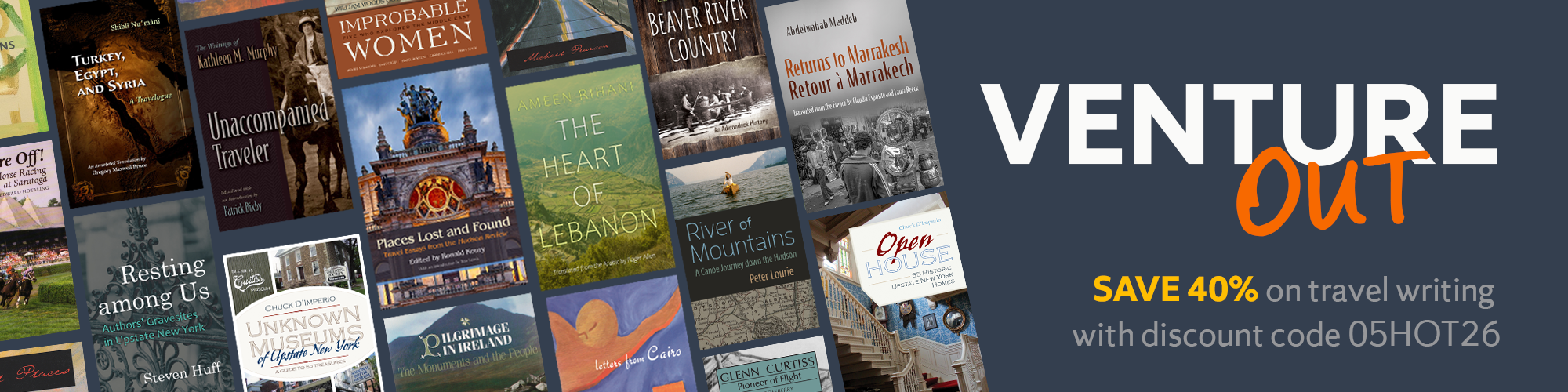
Temperatures are swelling and the open road beckons. This July, the press is holding its Venture Out sale, highlighting books of travel writing and adventure to accompany your vacation journeys. Take 40% off all of our travel writing books with promotion code 05HOT26 and take a look at some of the suggested titles below.
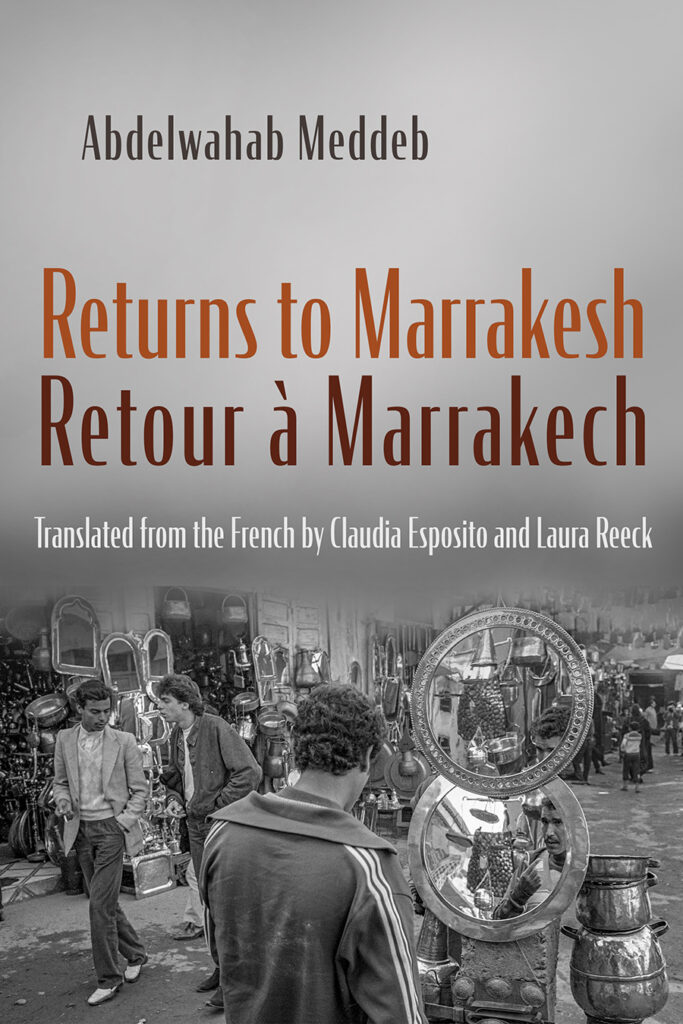
“On the way to Marrakesh, a superb sunrise, the sun high in the sky.” With this simple yet luminous opening, Abdelwahab Meddeb invites the reader to wander the vibrant streets and sacred sites of this lively city in the heart of Morocco. Returns to Marrakesh chronicles Meddeb’s return visits to the Red City from 1968 through the 1990s, documenting both his personal journey and the city’s transformation across three pivotal decades. Through his distinctive blend of poetic prose and keen observation, Meddeb reveals Marrakesh as a historical crossroads where diverse populations—Jewish and Muslim communities, different social classes, Sufi mystics, and merchants—have created a uniquely multilayered urban space.
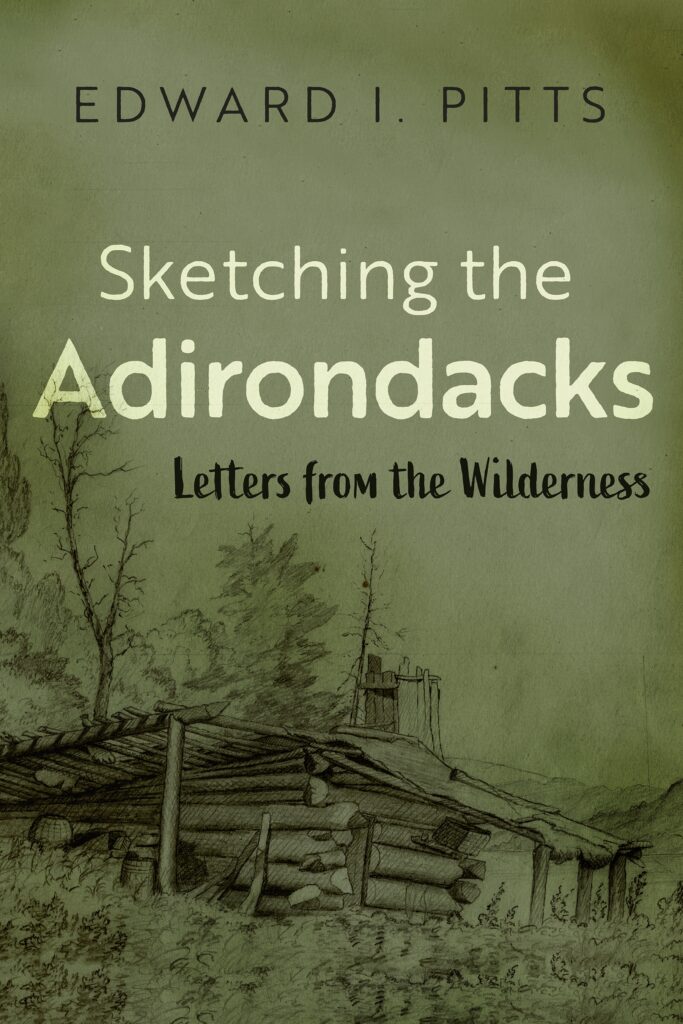
In 1851, two aspiring landscape artists, Jervis McEntee and Joseph Tubby, set out for the Adirondacks on a sketching expedition that would test not only their mettle as artists but as outdoorsmen. Heading into the still-rugged wilderness, not yet fully explored and sparsely inhabited, the two artists ventured across about one hundred seventy miles of terrain, sketching what they saw for future painting reference. In Sketching the Adirondacks, the artists’ unique journey is brought to life by author Edward Pitts, who drew on McEntee’s journal to reimagine the expedition as a series of letters home to friends and family. These fictionalized letters, all richly annotated with historical facts and context about the region, recount the pair’s real adventures and the artistic inspirations that inspired their work as Hudson River School artists.
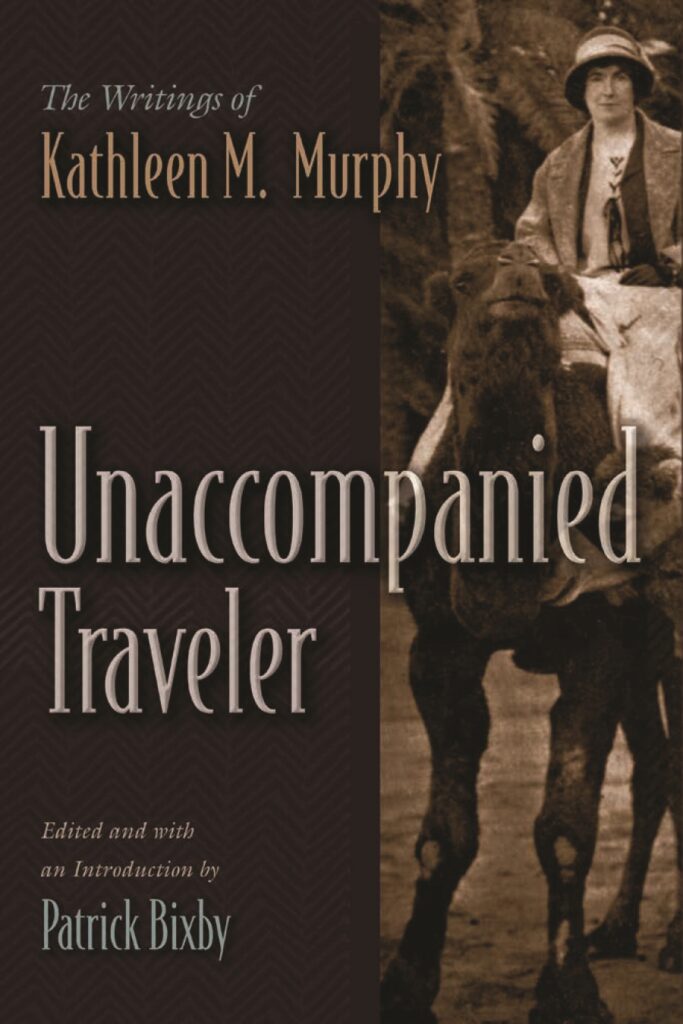
At the time of her death in 1962, Kathleen M. Murphy was recognized as “the most widely and most knowledgeably travelled Irish woman of her time . . . insofar as she let herself be known to the public at all.” An abiding interest in sacred sites and ancient civilizations took Murphy down the Amazon and over the Andes, into the jungles of Southeast Asia and onto the deserts of the Middle East, above the Arctic Circle and behind the Iron Curtain. After the Second World War, Murphy began publishing a series of vivid, humorous, and often harrowing accounts of her travels in The Capuchin Annual, a journal reaching a largely Catholic and nationalist audience in Ireland and the United States. At home in the Irish midlands, Murphy may have been a modest and retiring figure, but her travelogues shuttle between religious devotion and searching curiosity, primitivist assumptions and probing insights, gender decorum and bold adventuring. Unaccompanied Traveler, with its wide-ranging introduction, detailed notes, and eye-catching maps, retrieves these remarkable accounts from obscurity and presents them to a new generation of readers interested in travel and adventure.
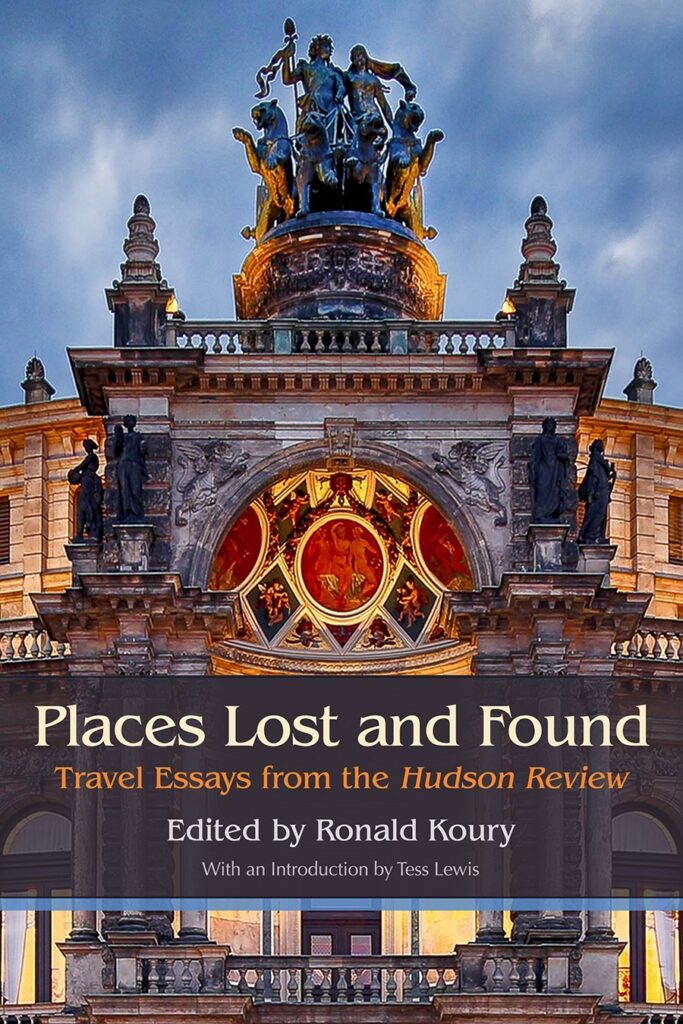
The Hudson Review has always had an international focus. Travel and reports from abroad have figured prominently in the journal, including essays on exotic and picturesque locales, as well as accounts from war-torn areas and the experiences of exiles. Many of these are pilgrimages; others are harrowing memoirs. What unites even the most devastating of these accounts are intellectual curiosity and a spirit of adventure. Places Lost and Found is a treasury of distinctive and compelling essays selected from six decades of the Hudson Review. From a description of the gardens of Kyoto and a portrait of Syria just before its civil war to reflections on Veblen and the Mall of America, these essays explore an array of places that are deeply layered with history and meaning.
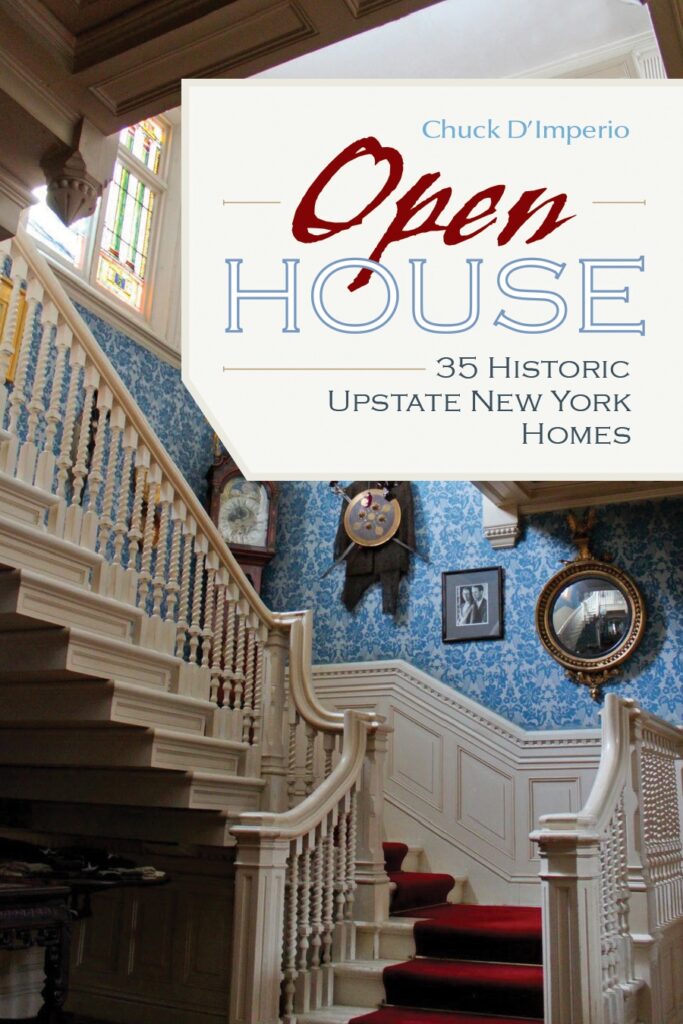
In Open House, celebrated Upstate New York author Chuck D’Imperio takes readers on a unique tour of some of the most fascinating and little-known historic homes across the state. From the stunning neoclassical mansion of the Clarke family tucked away on a hill in Cooperstown to the ramshackle Catskill Mountains cottage of famed naturalist John Burroughs, this book offers the architectural and historic background of New York’s more famous residences. Each one has an intriguing story, and D’Imperio invites you to learn not only about the homes but also about the influential people who lived in them. With detailed information on visiting hours, directions, and the author’s own notes, this guidebook is essential reading for all New York State history buffs and the ideal companion for your next Upstate road trip.
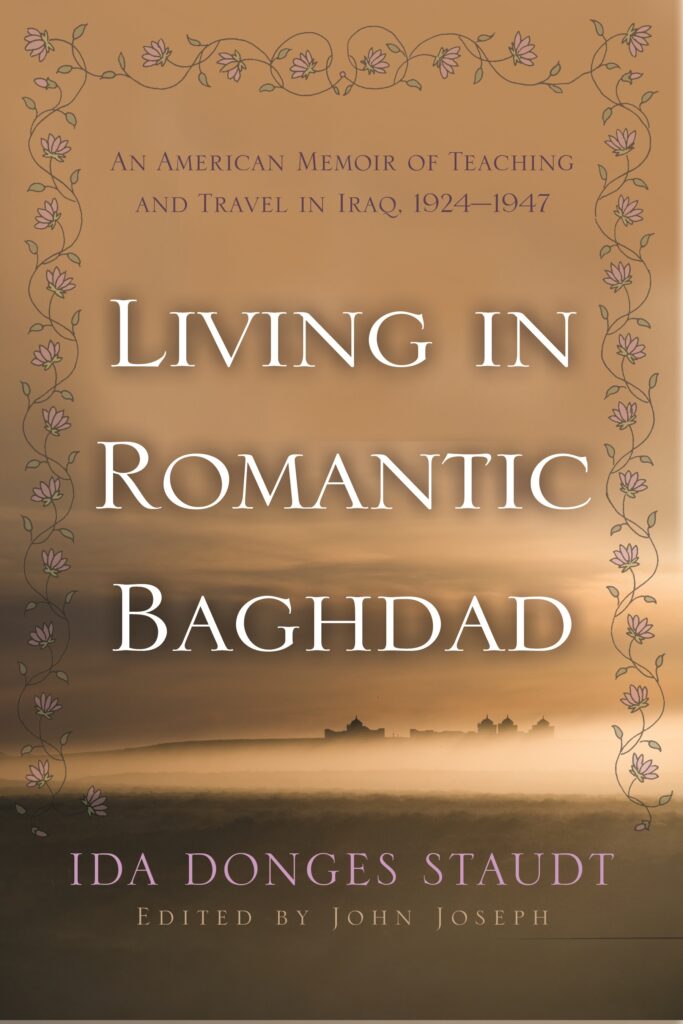
In 1924, an adventurous young couple accepted a commission to open an American school for boys in Baghdad. Setting foot on Iraqi soil the very day that the Constituent Assembly convened in Baghdad to frame a constitution for the new nation, Ida Staudt and her husband Calvin witnessed the birth of this fledgling country. For the next twenty-three years, they taught hundreds of young boys whose ethnicity, religious background, and economic status were as varied as the region itself. Cultivating strong bonds with their students and their families, the Staudts were welcomed into their lives and homes, ranging from the royal palace to refugee huts and Bedouin tents. In her enlightening memoir, Staudt skillfully interweaves the political and historical setting with personal anecdotes, recalling the people she encountered and the places she explored. With vivid descriptions, she relates the complexities of the people, the grandeur of the antiquities, and the beauty of the region’s topography. Living in Romantic Baghdad evokes the city, the villages, and the communities of Iraq, capturing a unique chapter in modern Iraqi history, one marked by pluralism and tolerance, and putting a human face on a largely misunderstood country.