
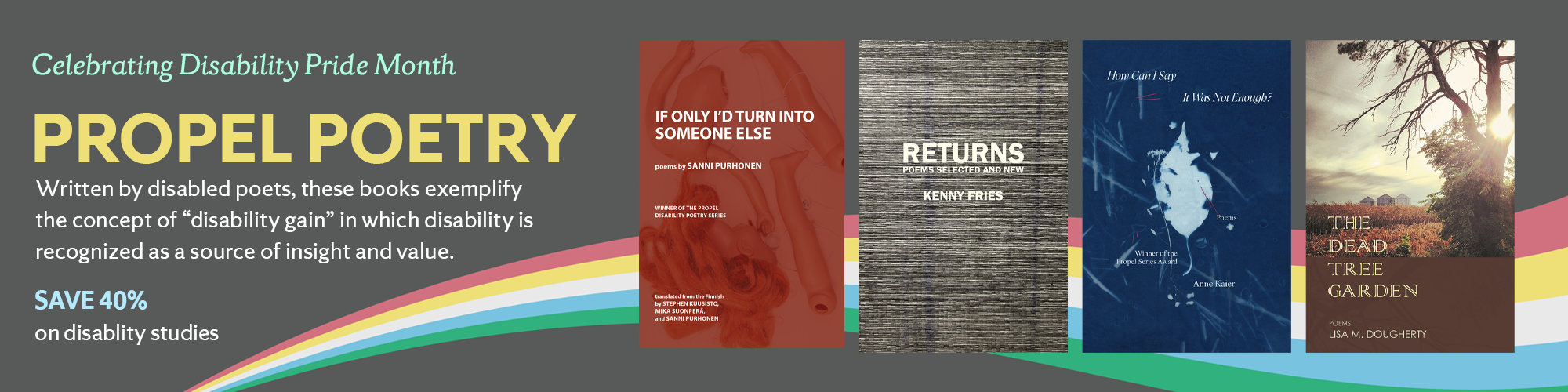
July marks Disability Pride Month and is an ideal time to celebrate the Propel Disability Poetry Book Series, an imprint of Nine Mile, a small literary publisher and magazine based in Central New York. The series is underwritten with generous support from Propel and others. Written and edited by disabled poets, these books exemplify the concept of “disability gain” in which disability is recognized as a source of insight and value.
During the month of July save 40% on any books form the series with promotion code 05HOT26 at checkout. Explore the entire series below.
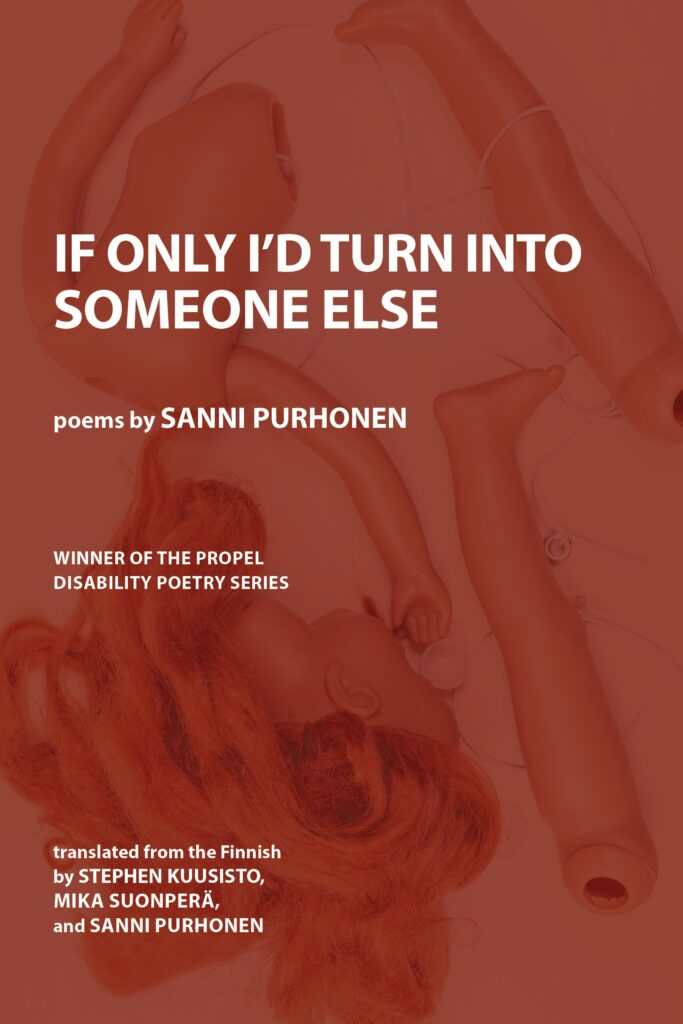
Sanni Purhonen’s poems deal with embodiment, feminism, disability rights, and taking on the social constructions of normalcy. If Only I’d Turn into Someone Else doesn’t offer stylized and easy outlets for the effects of ableism. There’s no post-humanist fix coming. Science has no idea how to save us. Purhonen gives us dark pictures on the water. They are true as Odysseus’s arrows.
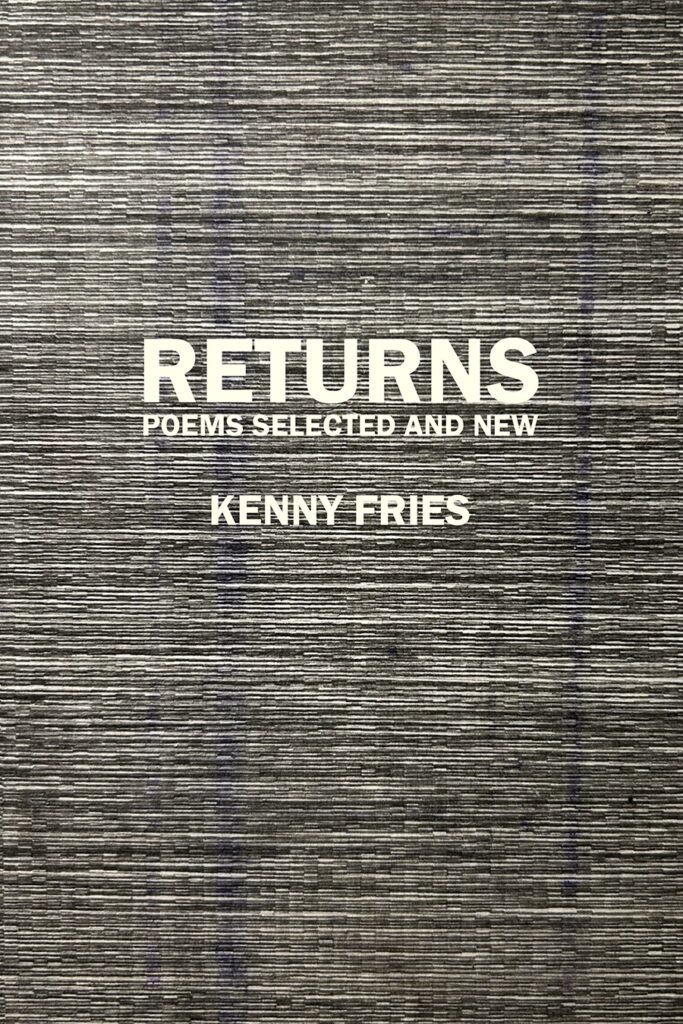
With his poems, essays, memoirs, journalism, and advocacy, Kenny Fries has been in the vanguard of disability literature for over forty years. From considerations of Darwin and social Darwinism to the flinty and dismissive corridors of American medicine, Fries shows us how disability, embodiment, queerness, curiosity, and contrarianism can push us toward hope. With Returns: Poems Selected and New, the power of his lyricism reminds us why poetry truly matters. This is an important book by a poet at the height of his craft.
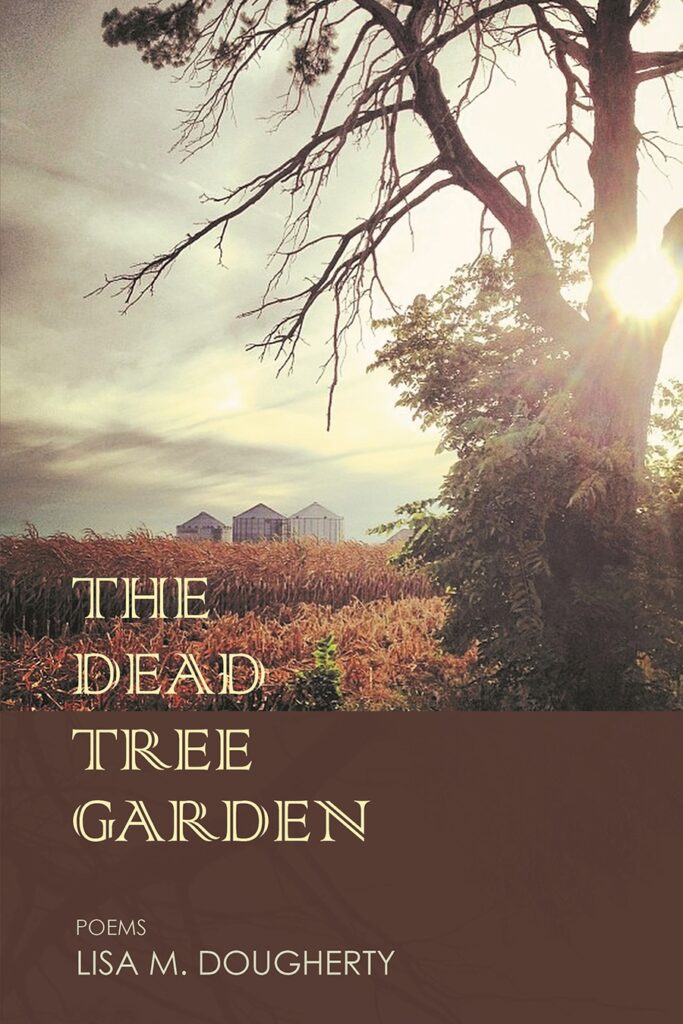
The Dead Tree Garden presents a profoundly evocative poetic landscape in which themes of memory, motherhood, and mortality are intricately interwoven. Lisa M. Dougherty employs a voice that is at once tender and uncompromising, cultivating a body of work rooted in grief and resilience. Each poem functions as a contemplative exploration of the subtle devastations and unexpected beauty embedded within quotidian experience. Her imagery, marked by its tactile immediacy and emotional rawness, offers readers a fragmented yet cohesive mosaic of lived experience—one that is simultaneously intimate and broadly relatable.
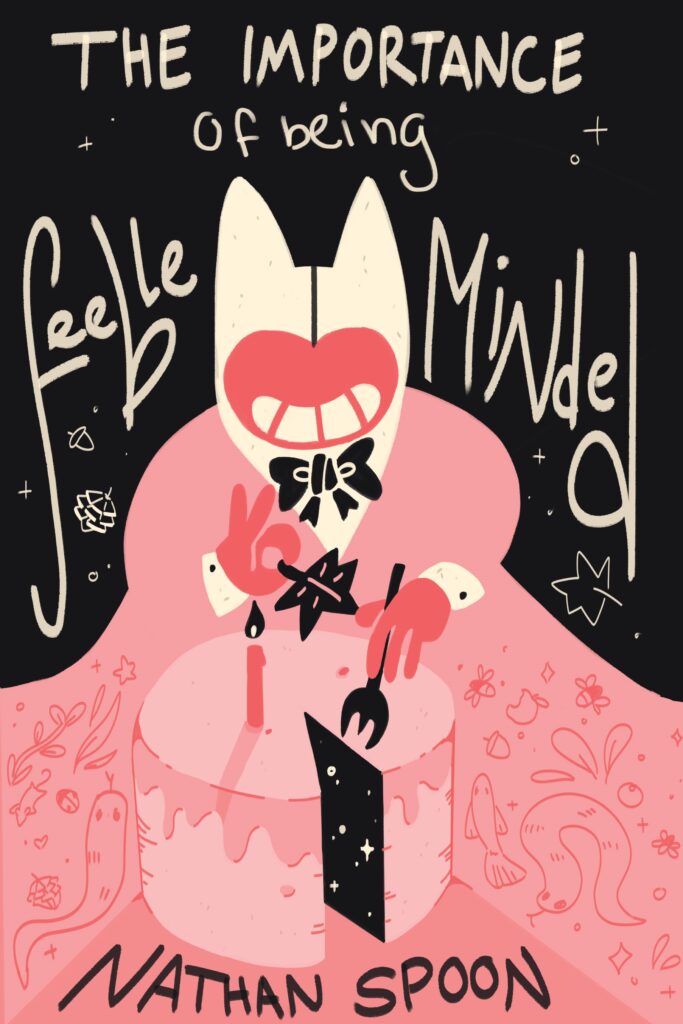
Nathan Spoon brings the complications of consciousness into view. The question that concerns poets with disabilities—real ones as opposed to the metaphorical—is how do we evolve in this light? In the meantime, the poems in The Importance of Being-Feeble Minded have a toughness about them as if perhaps, the epistemology of disability is a street fight.
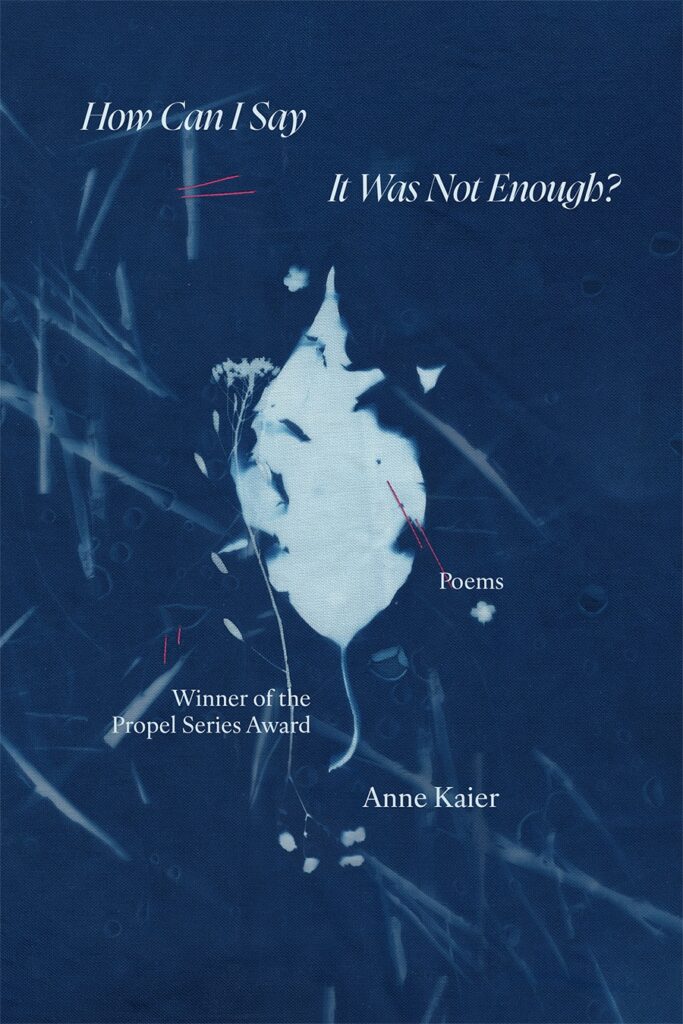
How Can I Say it Was Not Enough? is a generous book. Let’s say for argument’s sake that poetry readers are, even in the twenty-first century, eager to find community on the page. The generosity I’m describing must always remain invitational. If the body is unreliable, if abjection remains a lifelong struggle, then the imagination should of necessity suggest something beyond mere confession. Empathetic visions are what’s called for in every aspect of life. Kaier’s poems deliver.