
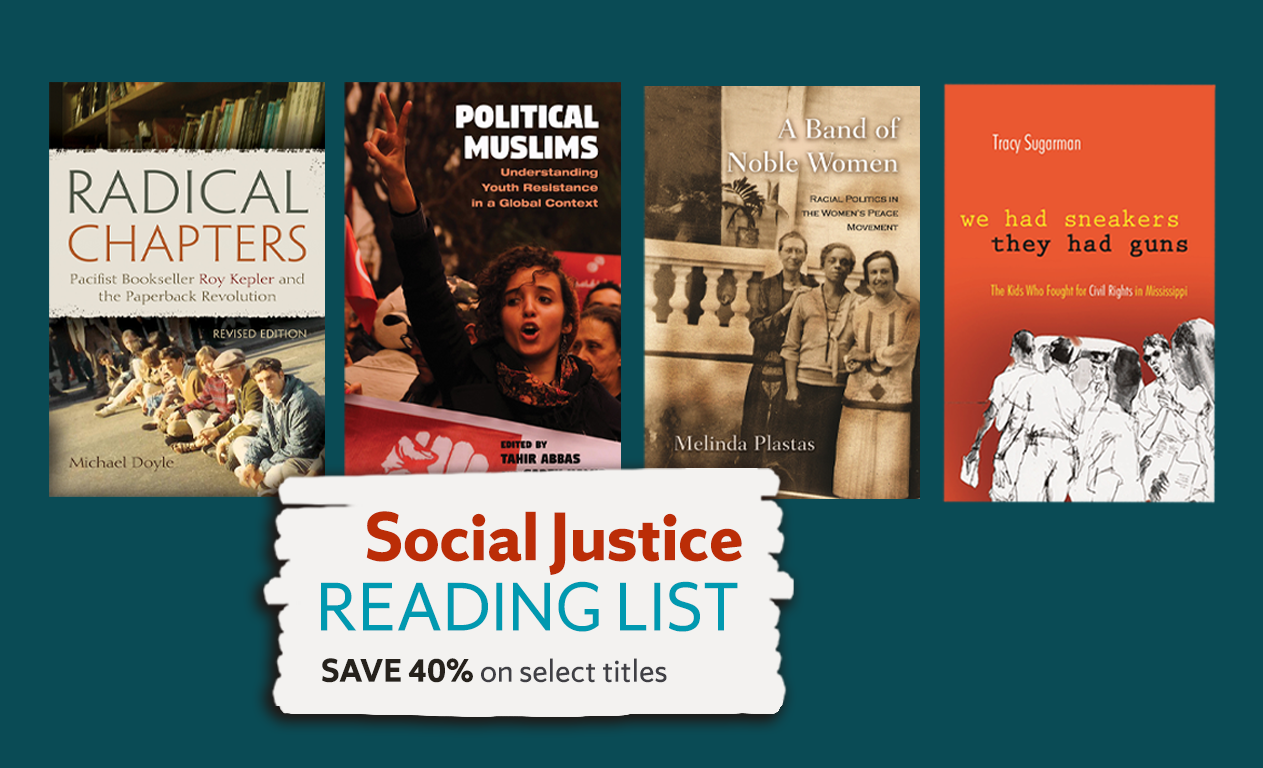
During the month of September, Syracuse University Press is highlighting books that focus on political activism, protest, and organized resistance movements. The press has a history of publishing on the topic, with our Syracuse Studies on Peace and Conflict Resolution as well as the intersectional nature of many of our other publishing topics. Consider some of the below titles and peruse the entire selection before taking 40% off when ordering all September long.
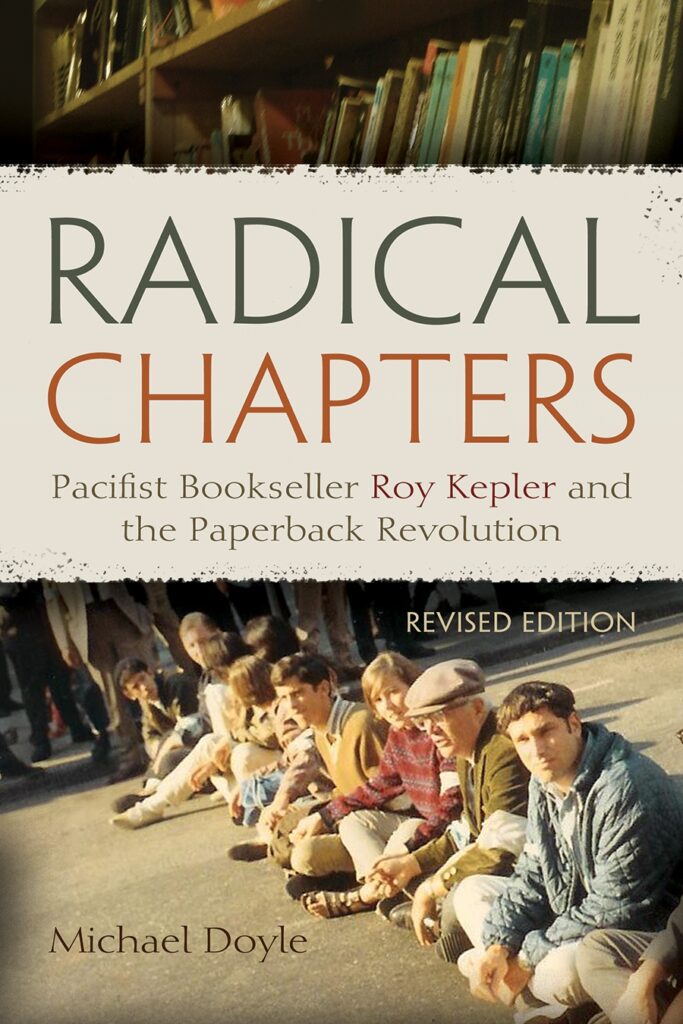
Long a hub for literary bohemians, countercultural musicians, and readers interested in a good browse, Kepler’s Books and Magazines is one of the most influential independent bookstores in American history. When owner Roy Kepler opened the San Francisco Bay Area store in 1955, he led the way as a pioneer in the “paperback revolution.” He popularized the once radical idea of selling affordable books in an intellectually bracing coffeehouse atmosphere. Paperback selling was not the only revolution Kepler supported, however. In Radical Chapters, author Michael Doyle sheds light on Kepler’s remarkable contributions to pacifism and social change. He highlights Kepler’s achievements in advocating radical pacifism during World War II, antinuclear activism during the Cold War era, and antiwar activism during the Vietnam War. During those decades, Kepler played an integral role, creating a community and a space to exchange ideas for such notable figures as Jerry Garcia, Joan Baez, and Stewart Brand. In a new foreword for this revised edition, Doyle updates Kepler’s story and assesses how the bookstore and the community it serves have remained socially engaged and commercially viable amid the tumult of the twenty-first century.
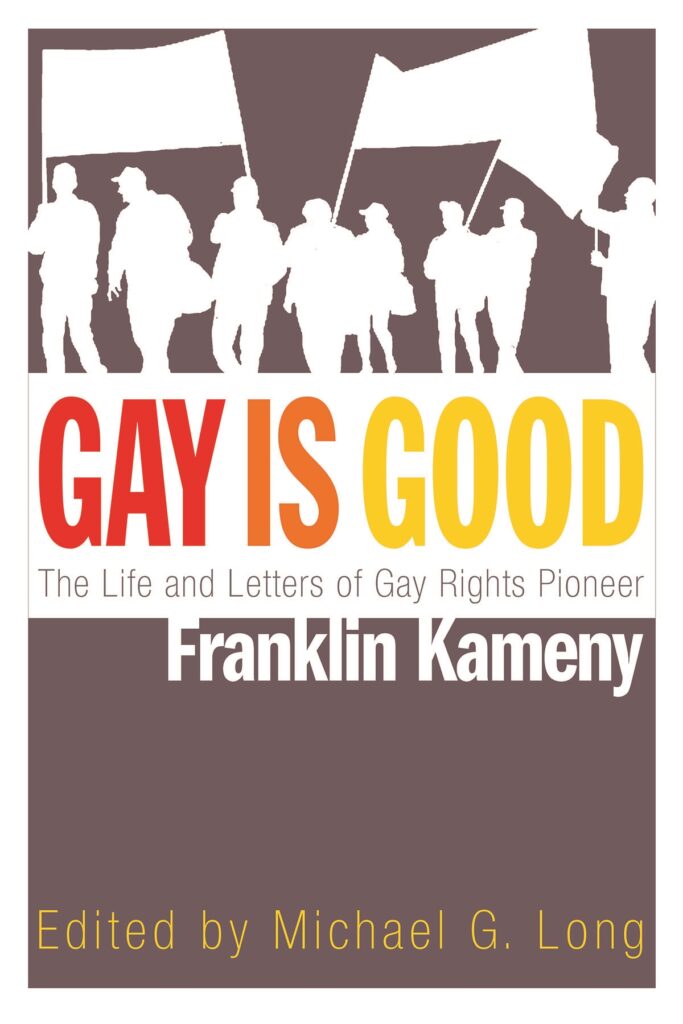
Long before Stonewall, there was Franklin Kameny (1925–2011), one of the most significant figures in the gay rights movement. Beginning in 1958, he encouraged gay people to embrace homosexuality as moral and healthy, publicly denounced the federal government for excluding homosexuals from federal employment, openly fought the military’s ban against gay men and women, debated psychiatrists who depicted homosexuality as a mental disorder, identified test cases to advance civil liberties through the federal courts, acted as counsel to countless homosexuals suffering state-sanctioned discrimination, and organized marches for gay rights at the White House and other public institutions. In Gay Is Good, editor Michael G. Long collects Kameny’s historically rich letters, revealing some of the early stirrings of today’s politically powerful LGBT movement.

Leveling the Playing Field tells the story of the African American members of the 1969–70 Syracuse University football team who petitioned for racial equality on their team. The petition had four demands: access to the same academic tutoring made available to their white teammates; better medical care for all team members; starting assignments based on merit rather than race; and a discernible effort to racially integrate the coaching staff, which had been all white since 1898. The players’ charges of racial disparity were fiercely contested by many of the white players on the team, and the debate spilled into the newspapers and drew protests from around the country. Mistakenly called the “Syracuse 8” by media reports in the 1970s, the nine players who signed the petition did not receive a response allowing or even acknowledging their demands. They boycotted the spring 1970 practice, and Coach Ben Schwartzwalder, a deeply beloved figure on campus and a Hall of Fame football coach nearing retirement, banned seven of the players from the team. In Leveling the Playing Field, author David Marc chronicles this contentious moment in Syracuse University’s history and tells the story through the eyes of the players who demanded change for themselves and for those who would follow them.
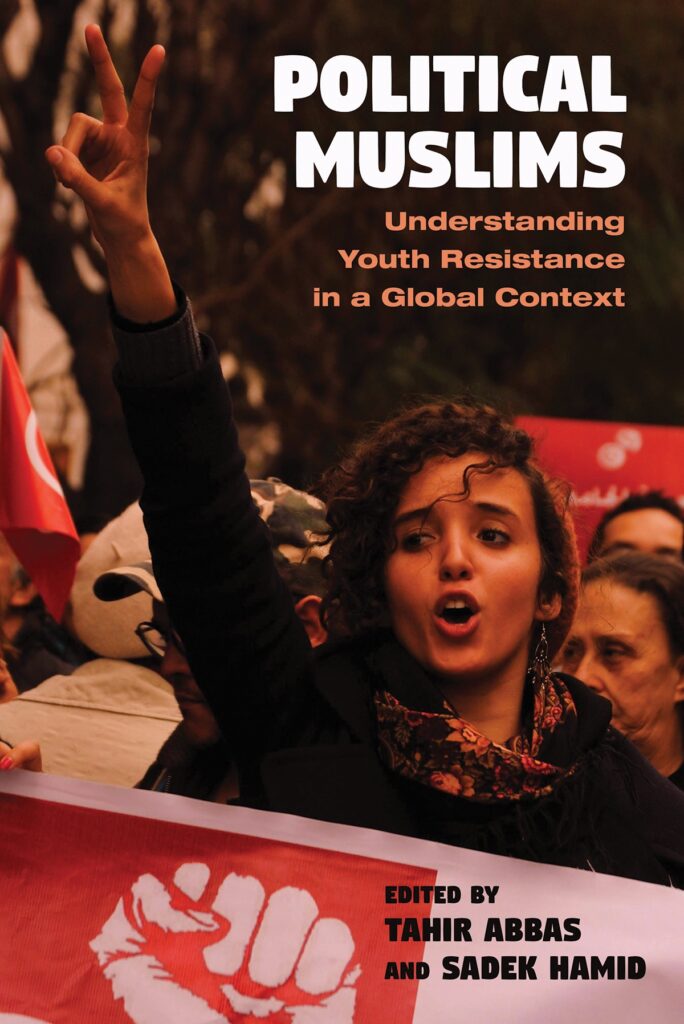
In the last few decades, the media, academics, and the general public have put considerable focus on Muslim culture and politics around the world. Specifically, the rising population of young Muslims has generated concerns about religious radicalism, Islamism, and conflicts in multicultural societies. However, few studies have been devoted to how a new generation of Muslims is reshaping society in positive ways. In Political Muslims, Tahir Abbas and Sadek Hamid provide a new perspective on Muslim youth, presenting them as agents of creative social change and as active participants in cultural and community organizations where resistance leads to negotiated change.
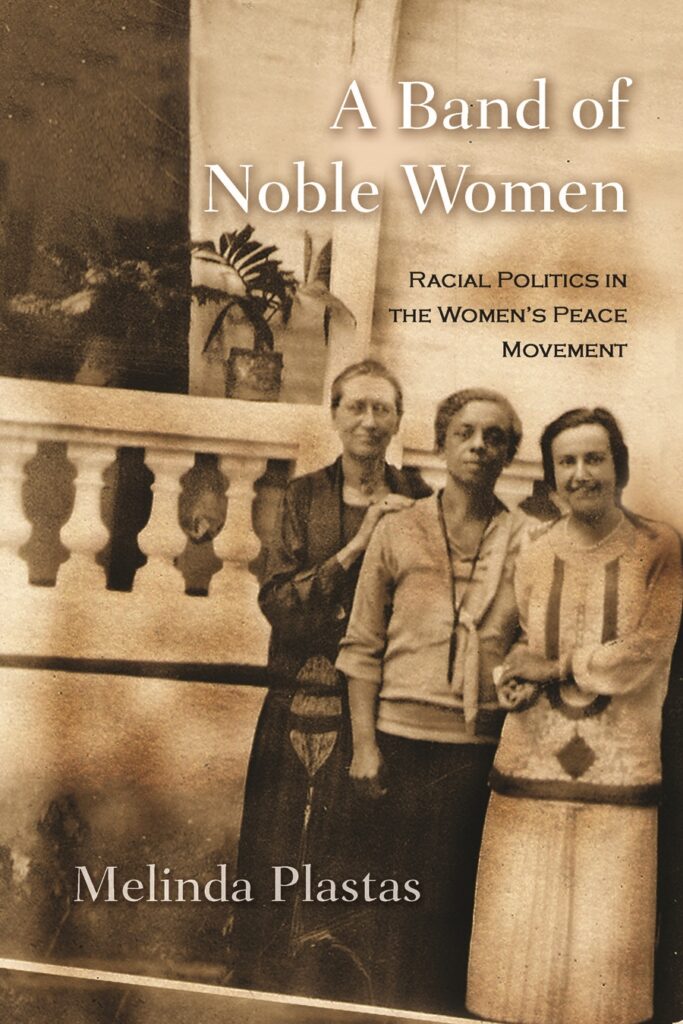
A Band of Noble Women brings together the histories of the women’s peace movement and the black women’s club and social reform movement in a story of community and consciousness building between the world wars. Believing that achievement of improved race relations was a central step in establishing world peace, African American and white women initiated new political alliances that challenged the practices of Jim Crow segregation and promoted the leadership of women in transnational politics. Under the auspices of the Women’s International League for Peace and Freedom (WILPF), they united the artistic agenda of the Harlem Renaissance, suffrage-era organizing tactics, and contemporary debates on race in their efforts to expand women’s influence on the politics of war and peace.
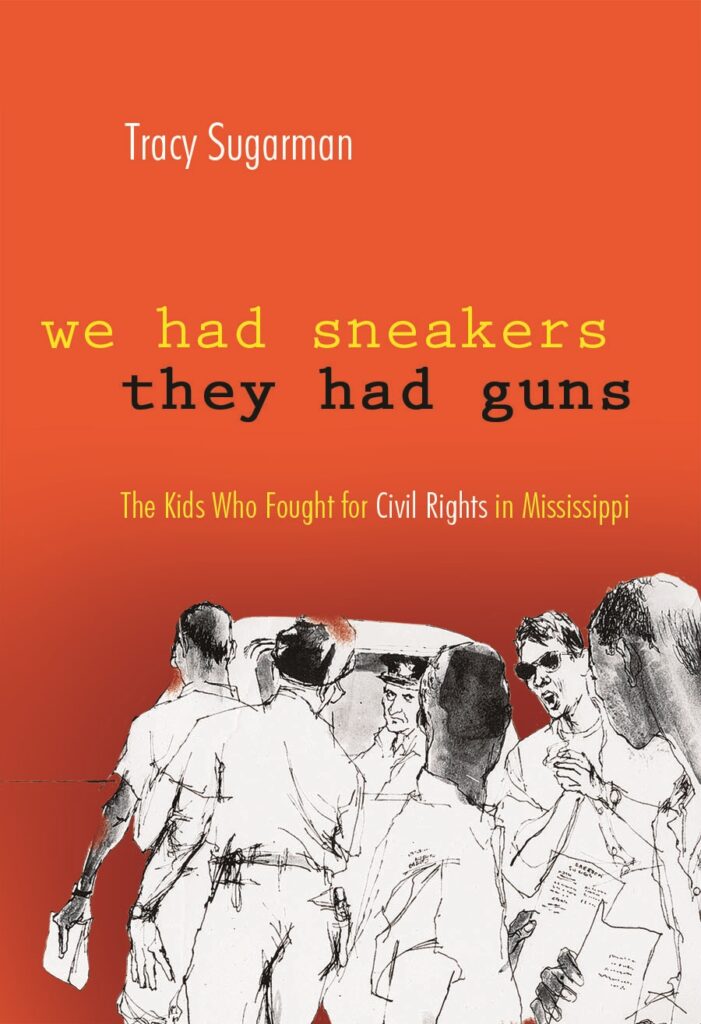
No one experienced the Freedom Summer of 1964 quite like Tracy Sugarman. As an illustrator and journalist, Sugarman covered the nearly one thousand student volunteers who traveled to the Mississippi Delta to assist black citizens in the South in registering to vote. He interviewed these activists, along with local civil rights leaders and black and white residents not directly involved in the movement, and drew the people and events that made the summer one of the most heroic chapters in America’s long march toward racial justice. In We Had Sneakers, They Had Guns, Sugarman chronicles the sacrifices, tragedies, and triumphs of that unprecedented moment in our nation’s history. Two white students and one black student were slain in the struggle, many were beaten and hundreds arrested, and churches and homes were burned to the ground by the opponents of equality. Yet the example of Freedom Summer—whites united with heroic black Mississippians to challenge segregation—resonated across the nation. The United States Congress was finally moved to pass the civil rights legislation that enfranchised the millions of black Americans who had been waiting for equal equal rights for a century. Blending oral history with memoir, We Had Sneakers, They Had Guns draws the reader into the lives of the activists, showing their passion and naïveté, the bravery of the civil rights leaders, and the candid, sometimes troubling reactions of the black and white Delta residents. Sugarman’s unique reportorial art, in word and image, makes this book a vital record of our nation’s past.