
Pride Month begins today, a time to celebrate LGBTQ+ accomplishments and visibility. All month long, we’re celebrating by offering 40% off all of our LGBTQ+ studies titles and below, we offer a number of suggestions for readers as well.
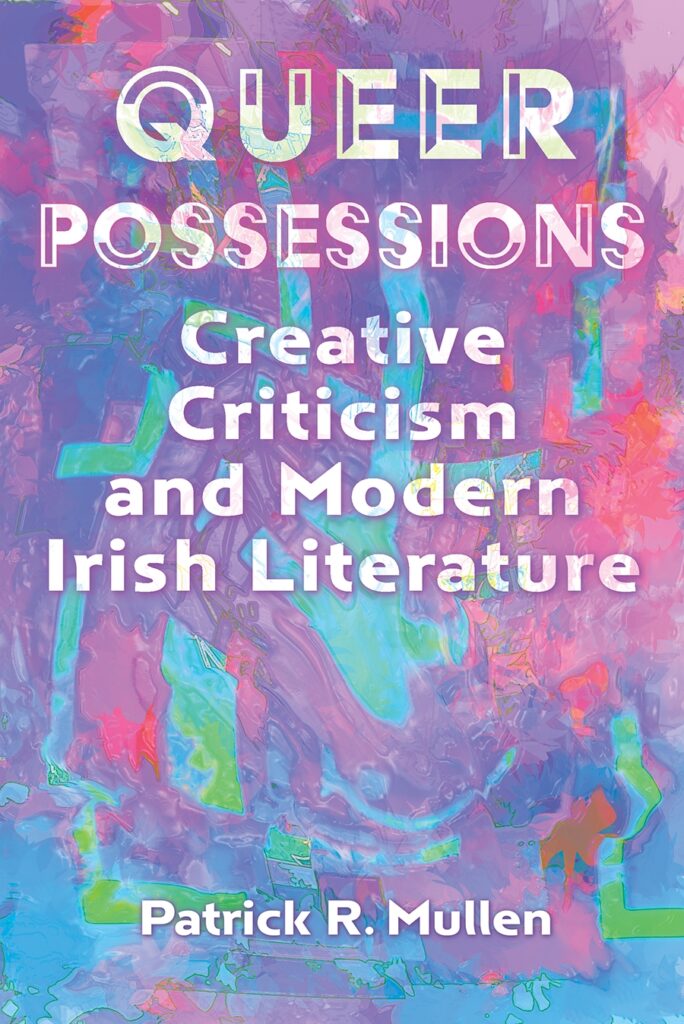
Too often, fleeting moments rooted in queer experience have appeared in popular fiction, only to be little remarked upon, often noted only as a sign of continuing neoliberal social advances. In Queer Possessions: Creative Criticism and Modern Irish Literature, Patrick Mullen makes the case for a more personal analysis of these moments, finding ways for readers to create new meaning and explore closer readings of key texts. Queer Possessions is divided between close readings of modern Irish novels and films and creative readings of the same texts, to give readers the tools to engage more deeply with the process of analysis and criticism. In the first mode, Mullen examines how modern Irish literature has frequently featured comedy to represent queer sexuality and economic crisis in the twenty-first century. This analysis allows for the second mode, in which the text helps readers to assume a critical role, encouraging their own creative readings of texts and imagining more of the works.
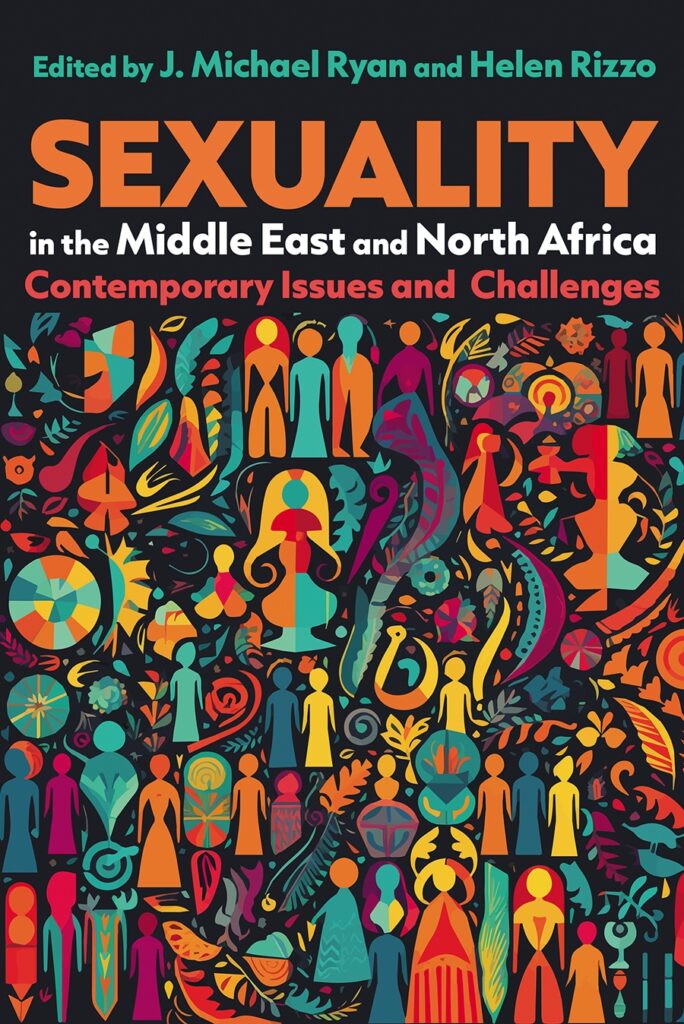
Issues of sexuality in the Middle East and North Africa have served as a lightning rod for international discussions surrounding the treatment of those who identify as LGBTQ+, sexual and reproductive health, and the prevention of sexual violence. While a growing body of scholarship and internal advocacy groups have brought more open dialogue within and about the MENA region, Sexuality in the Middle East and North Africa: Contemporary Issues and Challenges builds on the small but growing literature on sexuality in the Middle East and North Africa by providing critical insights and academic analysis into a broad range of complex and controversial issues. Spanning a wide array of countries from Algeria to Yemen, Egypt, Iran, Israel, and Saudi Arabia, offers a comprehensive regional analysis that transcends the limitations of country-specific studies. Three themes guide the volume’s organization: sexual politics, rights, and movements; gender and sexual minorities; and sexual health, identity, and well-being. Drawing on contemporary scholarship and ethnographic fieldwork, the contributors shed light on howsexuality is a foundational element of national and regional discourses, acts as a political tool for marking difference, and has the possibility to enlighten, restrict, liberate, or oppress the millions of individuals living in the region.
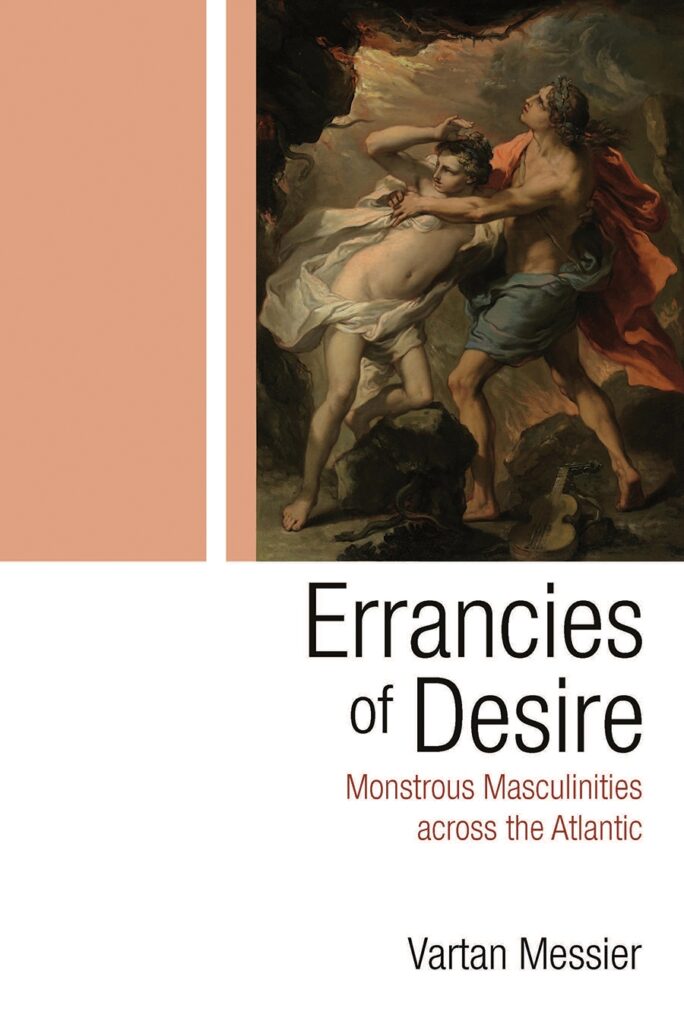
Social commentators, psychologists, and journalists all point to the idea that in the new millennium, traditional masculinity is in crisis. In contemporary film and literature, this predicament is often portrayed as a problem of desire—particularly, heterosexual desire. Male libido, it appears, is especially vicious when it is misguided. Yet the genesis of this problem is not consistently diagnosed. While some texts may situate it in the unbridled expression of human sexuality and its associated discourses, others contend it is the perverse result of popular constructions of sex and gender. Addressing this conundrum, Errancies of Desire focuses on the intersections of phallocratic violence and masculine identity in contemporary works of fiction across three subcontinents: North America, Western Europe, and sub-Saharan Africa. In doing so, author Vartan Messier details the ways in which male desire is predicated on mediated forms of predatory and misogynistic sexuality that cross national and cultural divides.
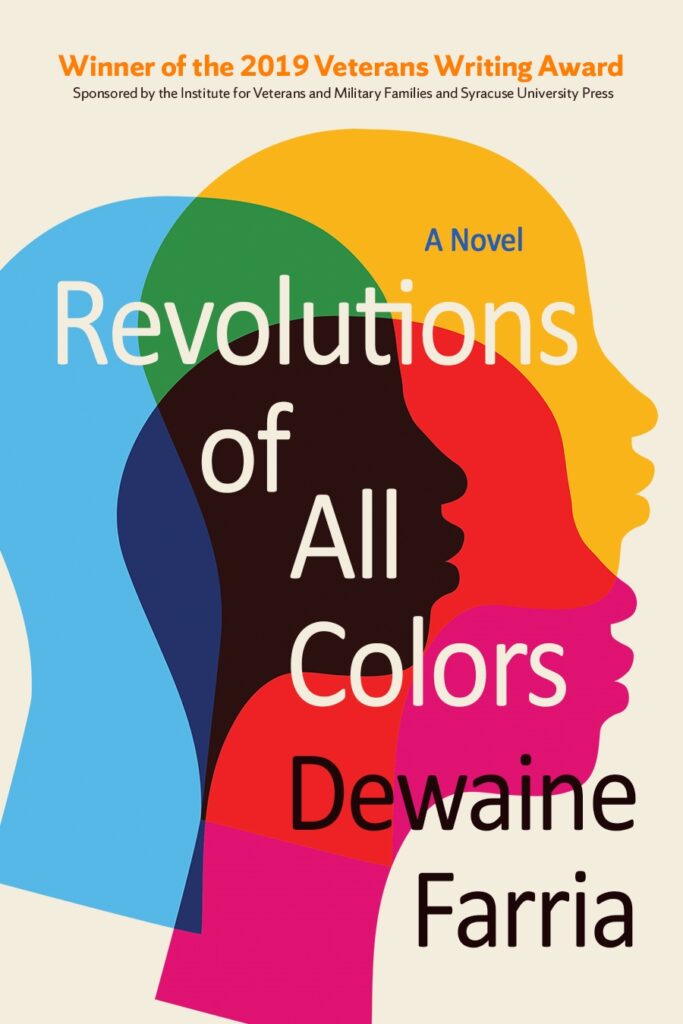
Gabriel Mathis, a twenty-three-year-old aspiring fantasy writer and reluctant Russophile, travels to Ukraine to teach English and meets the love of his life: an international arms dealer very much out of his league. Simon—a former Special Forces medic, torn over a warped sense of duty and a child he did not want—returns to the US to pursue his dream of becoming a mixed martial artist. After spending his adolescence defending his bisexuality, Michael makes his mark in New York’s fashion industry while nursing resentment for a community that never accepted him. In this 2019 Veterans Writing Award winner, author Dewaine Farria traces the lives of brothers Michael and Gabriel and their friend Simon from adolescence to their mid-twenties, through Oklahoma, Afghanistan, New York, Somalia, Ukraine, and New Orleans. Revolutions of All Colors is a brash, funny, and honest look at the evolution of characters we don’t often see—black nerds and veterans bucking their community’s rigid parameters of permissible expression while reconciling love of their country with the injustice of it.
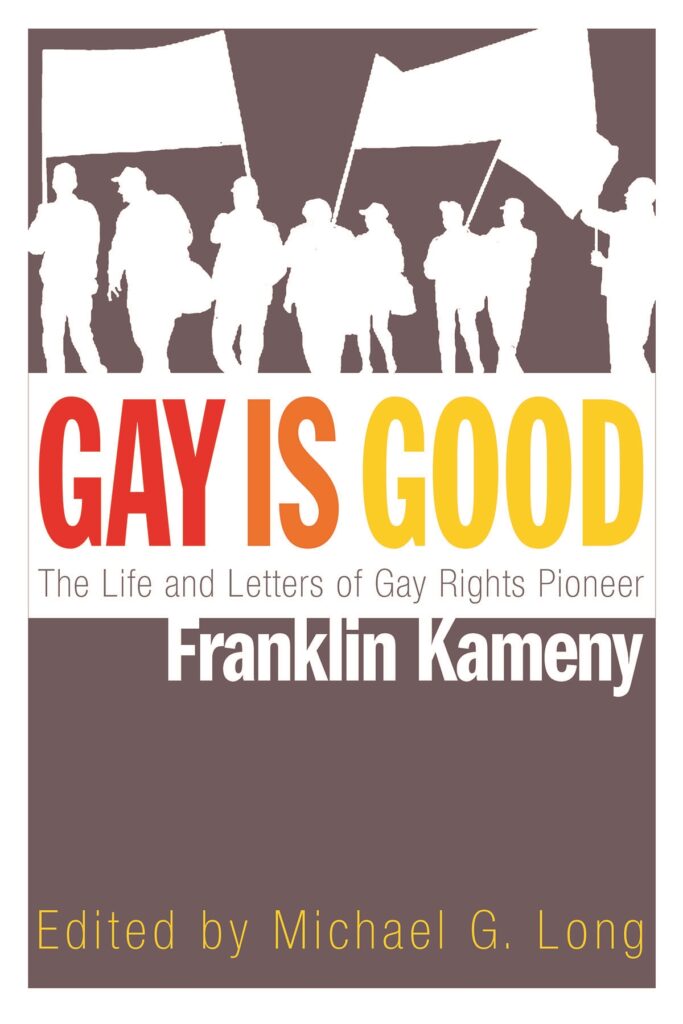
Contrary to popular notions, today’s LGBT movement did not begin with the Stonewall riots in 1969. Long before Stonewall, there was Franklin Kameny (1925–2011), one of the most significant figures in the gay rights movement. Beginning in 1958, he encouraged gay people to embrace homosexuality as moral and healthy, publicly denounced the federal government for excluding homosexuals from federal employment, openly fought the military’s ban against gay men and women, debated psychiatrists who depicted homosexuality as a mental disorder, identified test cases to advance civil liberties through the federal courts, acted as counsel to countless homosexuals suffering state-sanctioned discrimination, and organized marches for gay rights at the White House and other public institutions. In Gay Is Good, editor Michael G. Long collects Kameny’s historically rich letters, revealing some of the early stirrings of today’s politically powerful LGBT movement.