

As part of Black History Month, Syracuse University Press is celebrating the success and historical accomplishments of African American figures as well as the scholarship of black authors and academics. As part of Black History Month, we are offering 40% off all of our African American studies titles this February. Explore the catalog here and selections from the series below.

Leveling the Playing Field tells the story of the African American members of the 1969–70 Syracuse University football team who petitioned for racial equality on their team. The petition had four demands: access to the same academic tutoring made available to their white teammates; better medical care for all team members; starting assignments based on merit rather than race; and a discernible effort to racially integrate the coaching staff, which had been all white since 1898. The players’ charges of racial disparity were fiercely contested by many of the white players on the team, and the debate spilled into the newspapers and drew protests from around the country. Mistakenly called the “Syracuse 8” by media reports in the 1970s, the nine players who signed the petition did not receive a response allowing or even acknowledging their demands. They boycotted the spring 1970 practice, and Coach Ben Schwartzwalder, a deeply beloved figure on campus and a Hall of Fame football coach nearing retirement, banned seven of the players from the team. As tensions escalated, white players staged a day-long walkout in support of the coaching staff, and an enhanced police presence was required at home games.

On April 23, 1929, the second annual Transcontinental Foot Race across America, known as the Bunion Derby, was in its twenty-fifth day. Eddie “the Sheik” Gardner, an African American runner from Seattle, was leading the race across the Free Bridge over the Mississippi River. Along with the signature outfit that earned him his nickname—a white towel tied around his head, white shorts, and a white shirt—Gardner wore an American flag, a reminder to all who saw him run through the Jim Crow South that he was an American and the leader of the greatest footrace in the world. In Race Across America: Eddie Gardner and the Great Bunion Derbies, author Charles B. Kastner traces Gardner’s remarkable journey from his birth in 1897 in Birmingham, Alabama, to his success in Seattle, Washington, as one of the top long-distance runners in the region, and finally to his participation in two transcontinental footraces where he risked his life, facing a barrage of harassment for having the audacity to compete with white runners. Kastner shows how Gardner’s participation became a way to protest the endemic racism he faced, heralding the future of nonviolent efforts that would be instrumental to the civil rights movement.
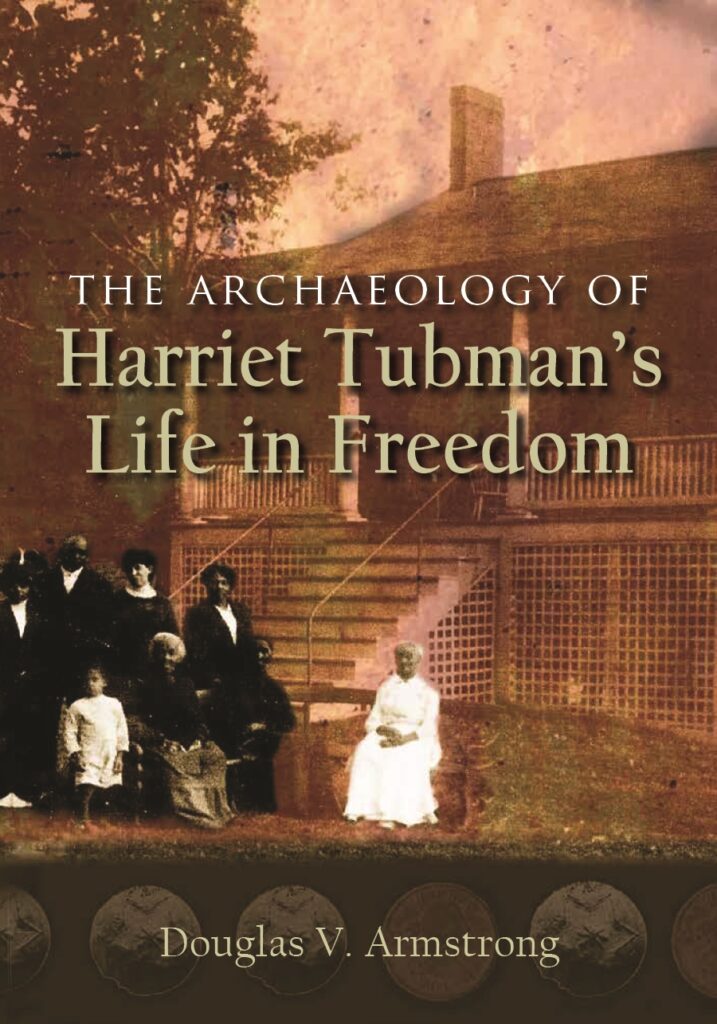
Harriet Tubman’s social activism as well as her efforts as a soldier, nurse, and spy have been retold in countless books and films and have justly elevated her to iconic status in American history. Given her fame and contributions, it is surprising how little is known of her later years and her continued efforts for social justice, women’s rights, and care for the elderly. Tubman housed and cared for her extended family, parents, brothers, sisters, nieces, and nephews, as well as many other African Americans seeking refuge. Ultimately her house just outside of Auburn, New York, would become a focal point of Tubman’s expanded efforts to provide care to those who came to her seeking shelter and support, in the form of the Harriet Tubman Home for the Aged. In The Archaeology of Harriet Tubman’s Life in Freedom, author Douglas V. Armstrong reconstructs and interprets Tubman’s public and private life in freedom through integrating his archaeological findings with historical research. The material record Tubman left behind sheds vital light on her life and the ways in which she interacted with local and national communities, giving readers a fuller understanding of her impact on the lives of African Americans.