
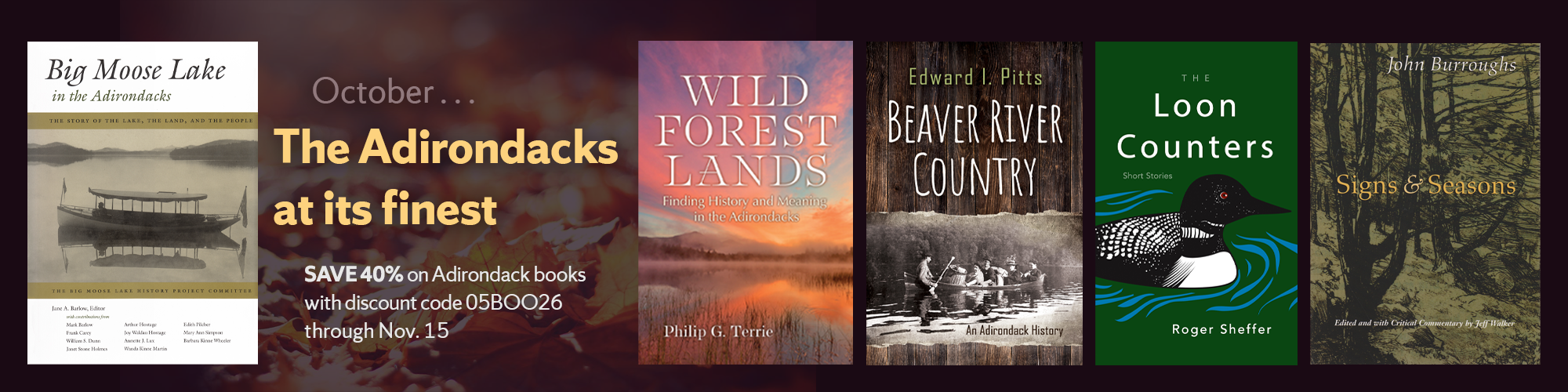
Fall is one of the best times to explore the autumnal beauty of the Adirondacks. To celebrate the bounty of the season, this month we’re offering a sale on our best and best loved Adirondacks books. Take 40% off all applicable books with promo code 05BOO26 and take a look at some suggested titles below.
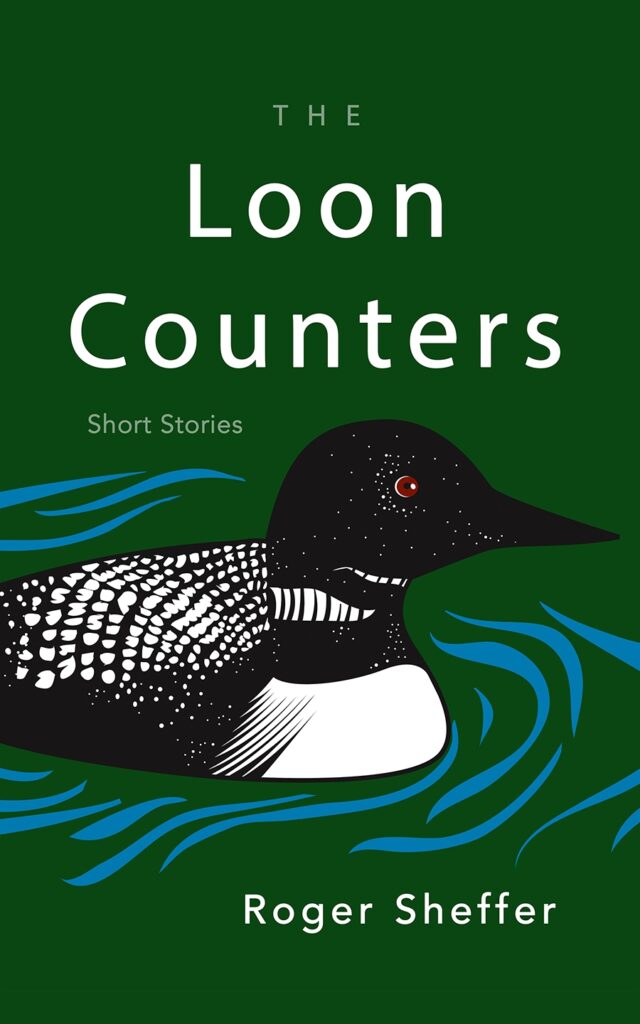
In the fictional Adirondack towns of Silver Lake and Lost River, a colorful cast of residents coexist, sometimes unharmoniously, with seasonal visitors, travelers, and vacationers. Their stories are told in The Loon Counters, which sees the residents and visitors of the community encounter Olympic torchbearers, a mysteriously unseen-but-often-heard violinist, pushy hikers, brooding art museum security guards. The characters recur across stories, seasons, and locations, finely illustrating the subtle shifts in the life of a rural, isolated Adirondack enclave. Across sixteen interconnected stories, Roger Sheffer explores the lives and world of this community of outsiders who call this unique region home. Sheffer crafts stories that speak to the complex charm of the region, the isolation and the community, the nostalgia, and the conservation, all the while finding the small places people carve for themselves in nature.
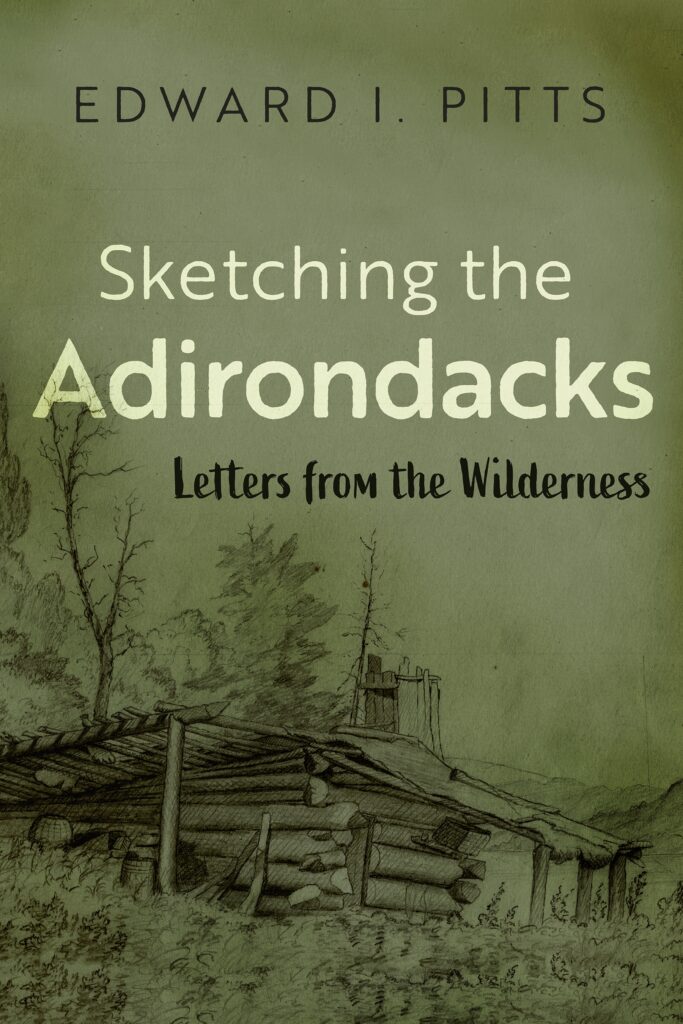
In 1851, two aspiring landscape artists, Jervis McEntee and Joseph Tubby, set out for the Adirondacks on a sketching expedition that would test not only their mettle as artists but as outdoorsmen. Heading into the still-rugged wilderness, not yet fully explored and sparsely inhabited, the two artists ventured across about one hundred seventy miles of terrain, sketching what they saw for future painting reference. In Sketching the Adirondacks, the artists’ unique journey is brought to life by author Edward Pitts, who drew on McEntee’s journal to reimagine the expedition as a series of letters home to friends and family. These fictionalized letters, all richly annotated with historical facts and context about the region, recount the pair’s real adventures and the artistic inspirations that inspired their work as Hudson River School artists.
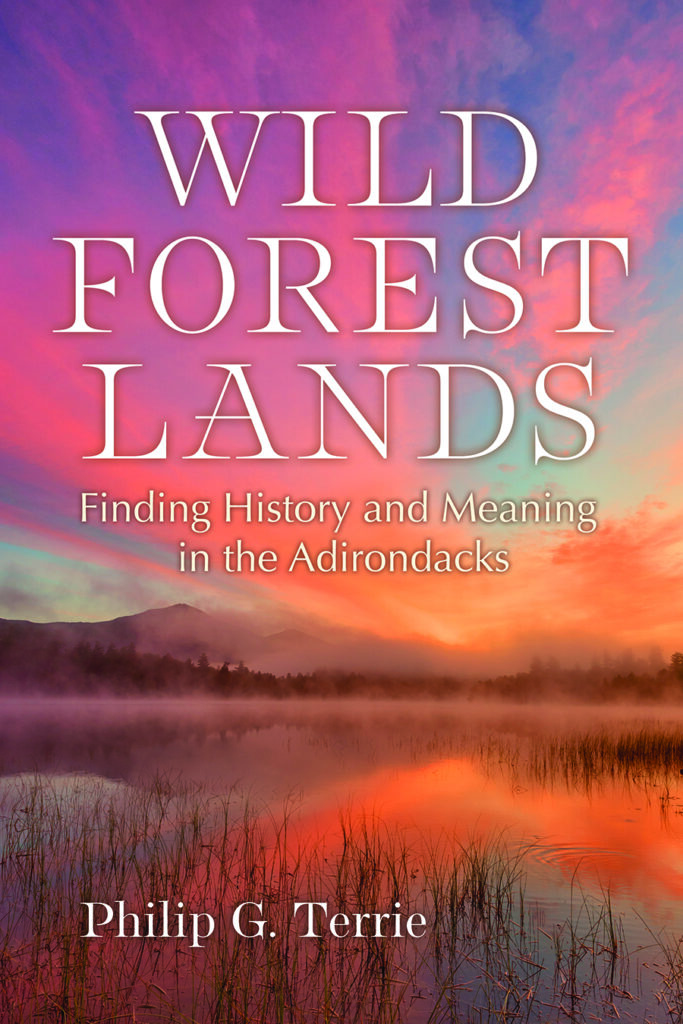
The Adirondack Forest Preserve is the largest publicly protected wilderness in the Eastern United States, with a state constitutional provision guaranteeing that it be “forever kept as wild forest lands.” But just what does “wilderness” mean today? How has our understanding of that concept shifted, from the colonial implications of the term as first applied to the Adirondacks to a more inclusive usage, still contested, today? Part memoir, part New York history, and part meditation, Wild Forest Lands explores the rhetorical and spiritual meaning of the Adirondack “wilderness.” Terrie revisits the literature and history of the region, reckoning with how his views on the places he has defended have evolved over time. Rich with detail, Wild Forest Lands grapples with the enduring power of the Adirondacks and what it truly means to preserve something that is, by nature, wild.
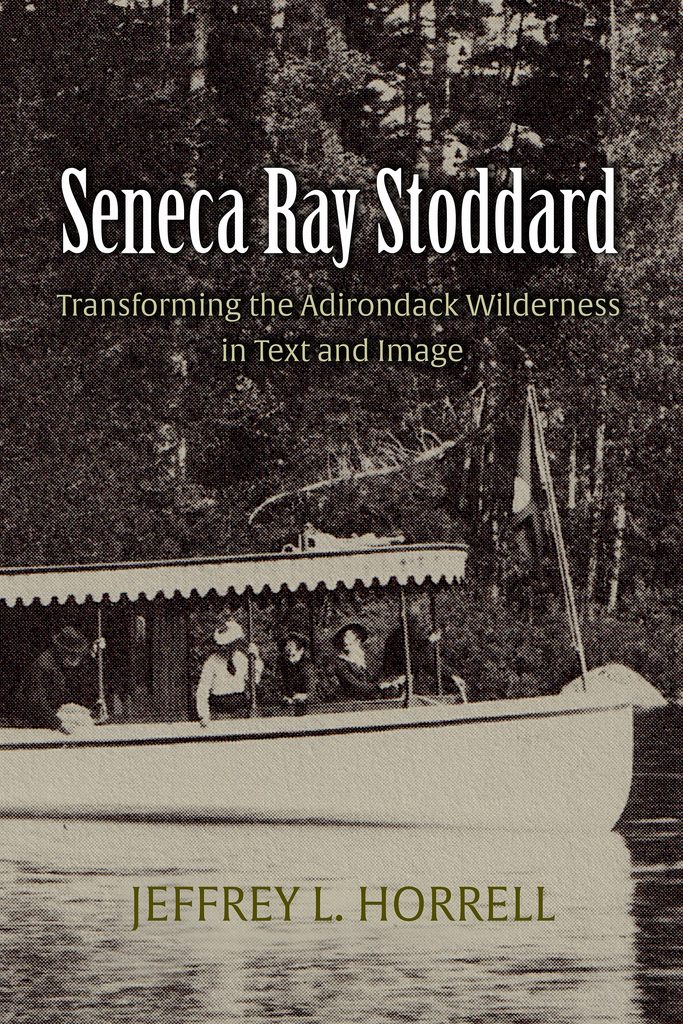
Seneca Ray Stoddard’s photographic and literary work paralleled the era of exploration of this region as well as the early years of photography. It was during his lifetime—as a result of the changing perceptions of the wilderness—that the area first attracted artists, tourists, and summer residents. Jeffrey L. Horrell’s book, Seneca Ray Stoddard: Transforming the Adirondack Wilderness in Text and Image, explores the nature of this Adirondack pioneer’s work and examines how it influenced and was influenced by the changing attitudes toward wilderness in the last half of the nineteenth century. It is the first complete volume to provide an in-depth study of both Stoddard’s writing and photography. Through his photographs and publishing ventures, Stoddard moved from recording the wilderness landscape to defending it against the logging industry and other developers.
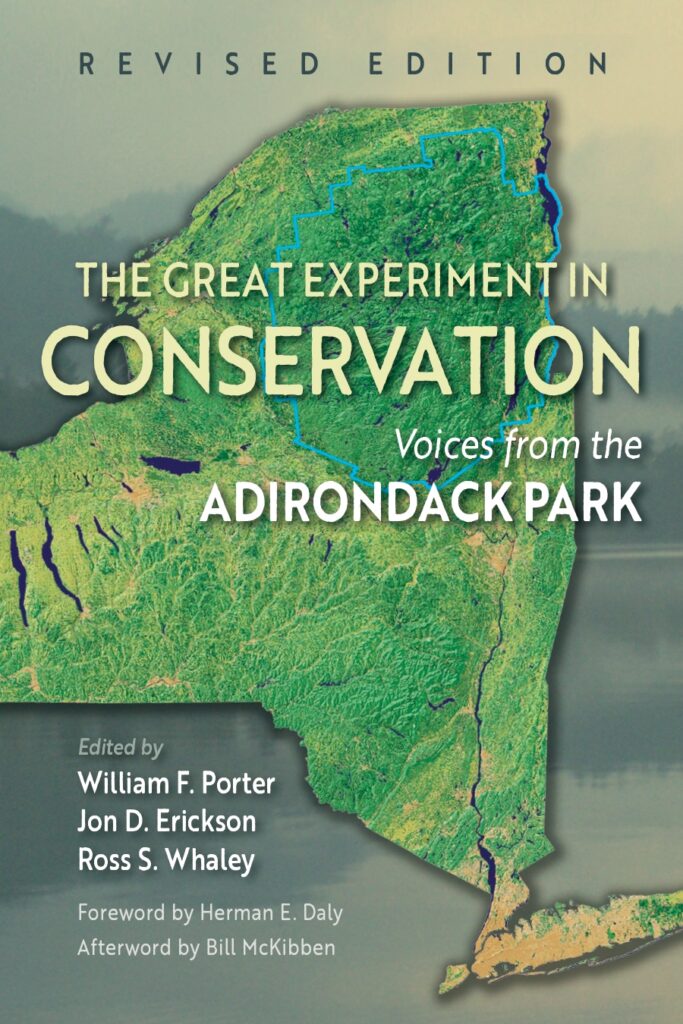
Representing a remarkable achievement in environmental scholarship and drawn from decades of research, The Great Experiment in Conservation: Revised Edition captures the wisdom born of the last thirty years of the park’s evolution. The editors bring together leading scholars, activists, and practitioners—those who know the Park’s origin and the realities of living in a protected area—to narrate this history. Organized into three sections, contributors explore the ecological, cultural, and economic aspects of the region, drawing lessons from successes and failures as they struggle to find the right balance of private interests and public controls.