
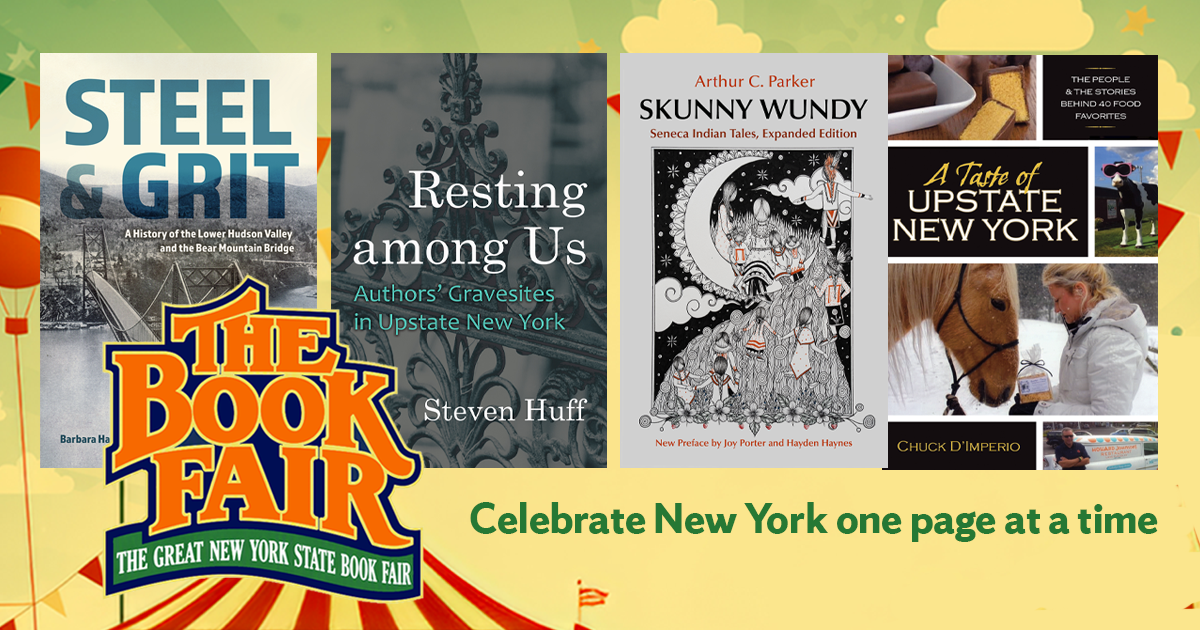
Alongside this year’s state fair, our Great New York State Book Fair is a celebration of the writers and books that explore the history, environment, and people of New York State. To commemorate the occasion, we’re spotlighting some of our favorite titles to pair with our favorite attractions of this year’s fair. Take a look at some of the suggested options below and save 40% on all selected titles with promo code 05FAIR26
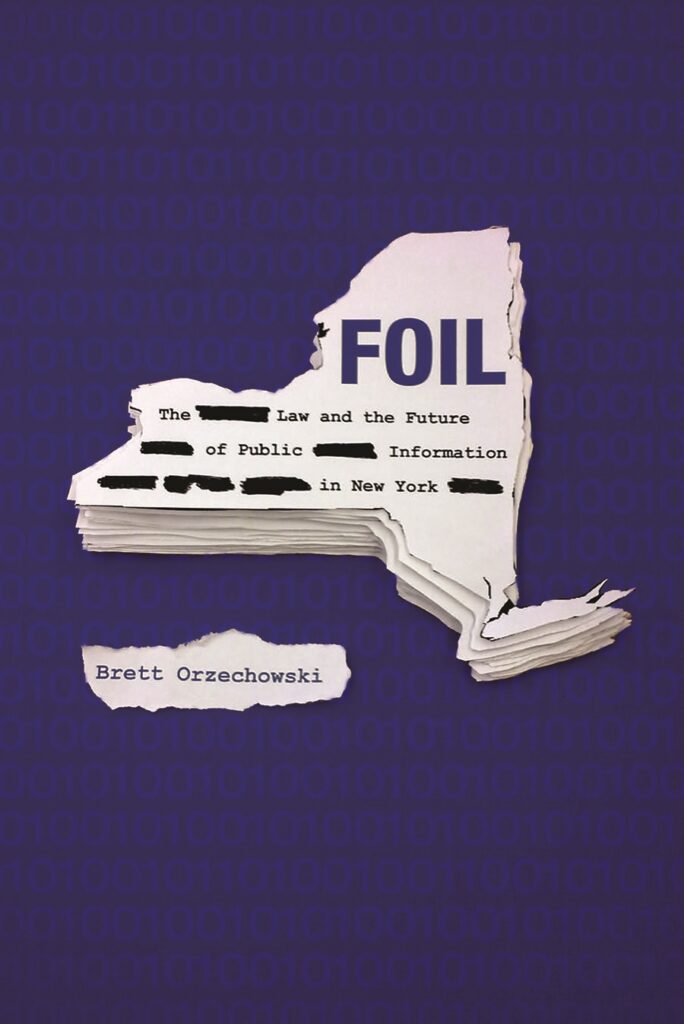
The Freedom of Information Law allows any person to request and obtain, without explanation or justification, existing, identifiable, and unpublished governmental records, including documents, data, and video. Signed into law in New York in 1974, FOIL remains a powerful public panacea in unlocking information and maintaining vital transparency in our state government. In FOIL, author Brett Orzechowski guides readers through the creation of the law and the concept of open government in the twenty-first century, offering a foundational understanding of how the legislation works, who is exempt, and how the law was created for every citizen of New York State. Dozens of perspectives–from state senators to a Pulitzer Prize winner to watchdog organizations—outline the impact of New York State’s law. Orzechowski examines the drafting of current legislation to strengthen the existing law and offers perspectives from those who are confronted with the real challenges of accessing public information every day: journalists, attorneys, and citizens.
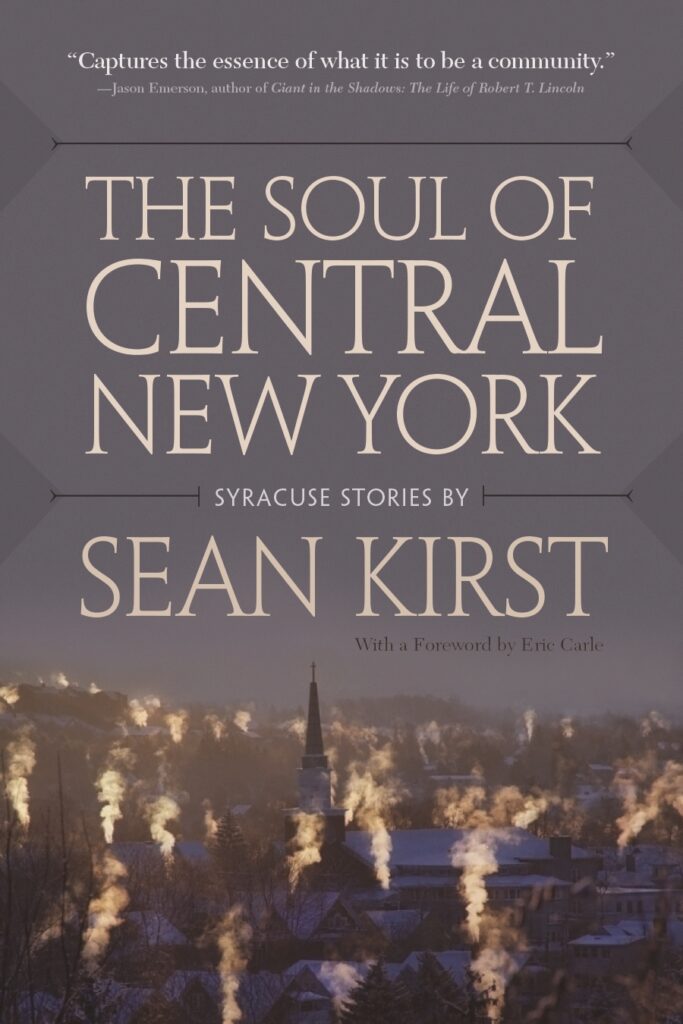
A group of strangers risk death along the New York State Thruway to save a soldier from a burning truck. The true story, as told by football legend Jim Brown, of how the number 44 rose to prominence at Syracuse University. The beautiful yet tragic connection between Vice President Joseph Biden and Syracuse. The impossible account of how Eric Carle, one of the world’s great children’s authors, found his way to a childhood friend through a photograph taken in Syracuse more than eighty years ago. All these tales can be found in The Soul of Central New York, a collection of columns by Sean Kirst that spans almost a quarter-century. During his long career as a writer for the Syracuse Post-Standard, Kirst won some of the most prestigious honors in journalism, including the Ernie Pyle Award, given annually to one American writer who best captures the hopes and dreams of everyday Americans.
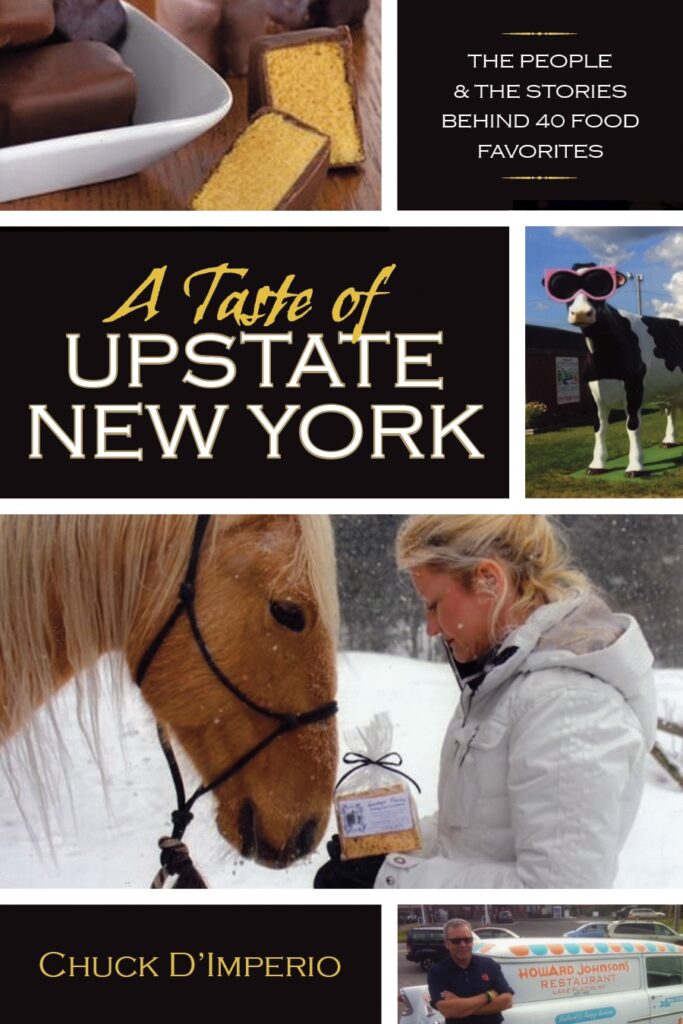
Upstate New York is the birthplace of many of America’s favorite foods. The chicken wing was born in a bar in Buffalo, the potato chip originated in the kitchen of a glitzy Saratoga Springs hotel, the salt potato got its start along the marshy shores of a Syracuse lake, and Thousand Island dressing was created in a hotel along the St. Lawrence Seaway. In A Taste of Upstate New York, author Chuck D’Imperio travels across the region to discover the stories and people behind forty iconic foods of Upstate New York. He introduces readers to the black dirt farmers of Orange County who give America its best-tasting onions, to the Catskill’s Candy Cane King, and to “Charlie the Butcher,” purveyor of the best beef on weck in the state. Filled with color photographs, the book includes a map of the various regions around Upstate New York, allowing readers to create their own cultural and historic food tour.
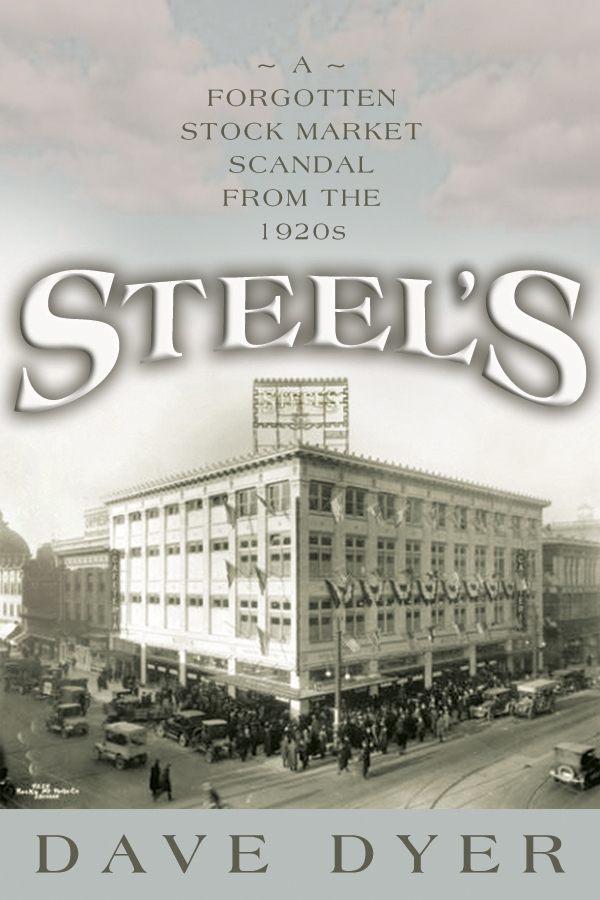
Steel’s, by Dave Dyer, is about the rise and fall of the retail empire created by Leonard Rambler Steel. Like a Silicon Valley tycoon, he sprang into new ventures with enthusiasm and foresight. At its height, his chain store operation had 75 stores spread over 61 cities in the United States and Canada. He hired women in management and elderly people in his sales force, and anticipated some of the retail models that are used today by global companies such as Ikea and Wal-Mart. His most remarkable insight was to recognize the marketing potential of the new medium of silent film. In 1921 he created a 3-hour film about his life and company that was screened for free all over North America. The movie, a precursor to today’s infomercial, attracted prospective buyers for the 5,000 salespeople who sold the company’s stock. Almost 60,000 people bought the stock, three times the number who bought into Charles Ponzi’s better-known scheme. Eventually, his big ideas became too grandiose, such as developing Niagara Falls into a permanent international exhibition dedicated to commerce and technology, and the investors lost all their money when the company collapsed in 1923 amid fraud charges.