
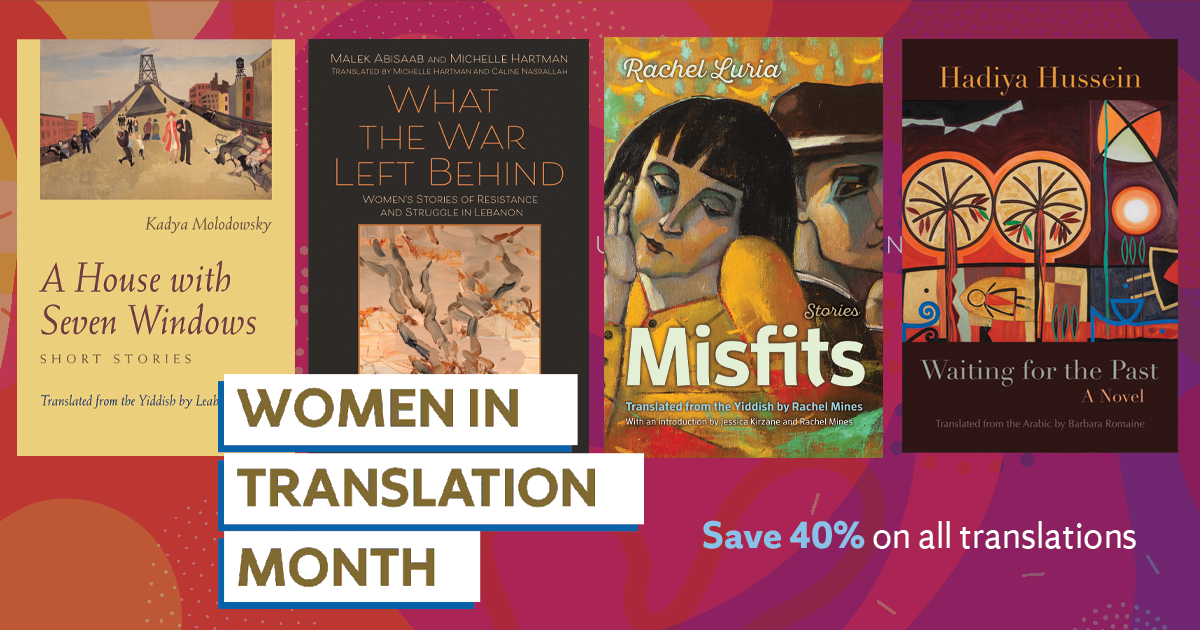
August is Women in Translation Month, a time to celebrate international women’s writers and women translators, as well as their effort to widen the reach of literature from around the world. At Syracuse University Press, we have a long tradition of publishing translated work from women around the world. All month long, save 40% on our works in translation and consider some of the below selections to add to your library.
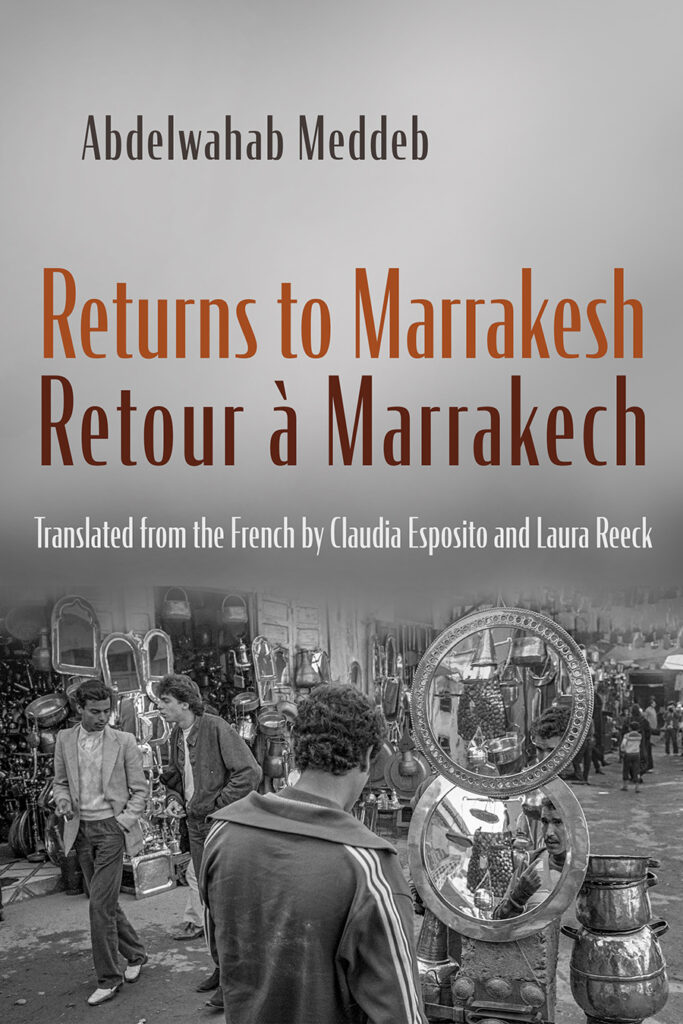
Returns to Marrakesh chronicles author Abdelwahab Meddeb’s return visits to the Red City from 1968 through the 1990s, documenting both his personal journey and the city’s transformation across three pivotal decades. Through his distinctive blend of poetic prose and keen observation, Meddeb reveals Marrakesh as a historical crossroads where diverse populations—Jewish and Muslim communities, different social classes, Sufi mystics, and merchants—have created a uniquely multilayered urban space. Capturing Marrakesh’s sounds, scents, and sights, Meddeb’s vivid prose portrays a city teeming with life and infused with an intense array of colors. The bilingual edition includes the original French text and its English translation, making accessible the work of one of North Africa’s most important voices. The work is translated from the French by Claudia Esposito and Laura Reeck.
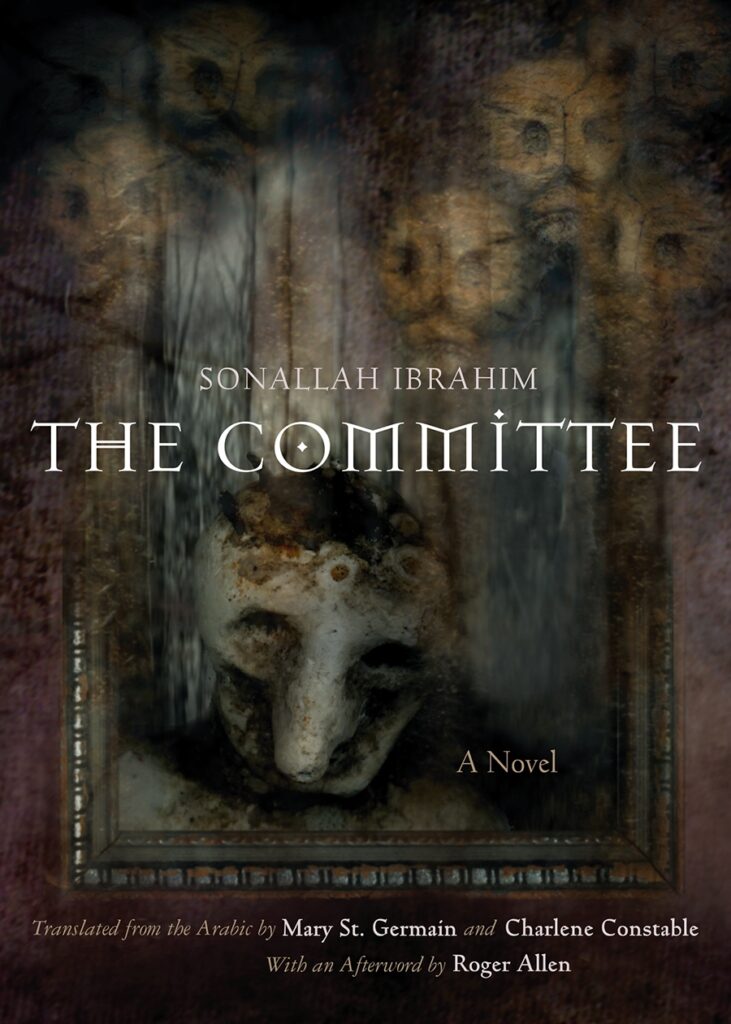
In a wry take on Kafka’s The Trial, Sonallah Ibrahim’s The Committee revolves around the unnamed narrators attempts to petition successfully the ruling body of his country, an unnamed nation suggestive of 1970s Cairo. The Committee pierces the inflammatory terrain between ordinary men, unbridled displays of power, and other broader concerns of the author’s native Egypt. The novel’s corrosive, shocking conclusion catapults satiric surrealism into a new realm. The novel is translated from the Arabic by Mary St. Germain and Charlene Constable and preserves Ibrahim’s unbroken, first-person narration,
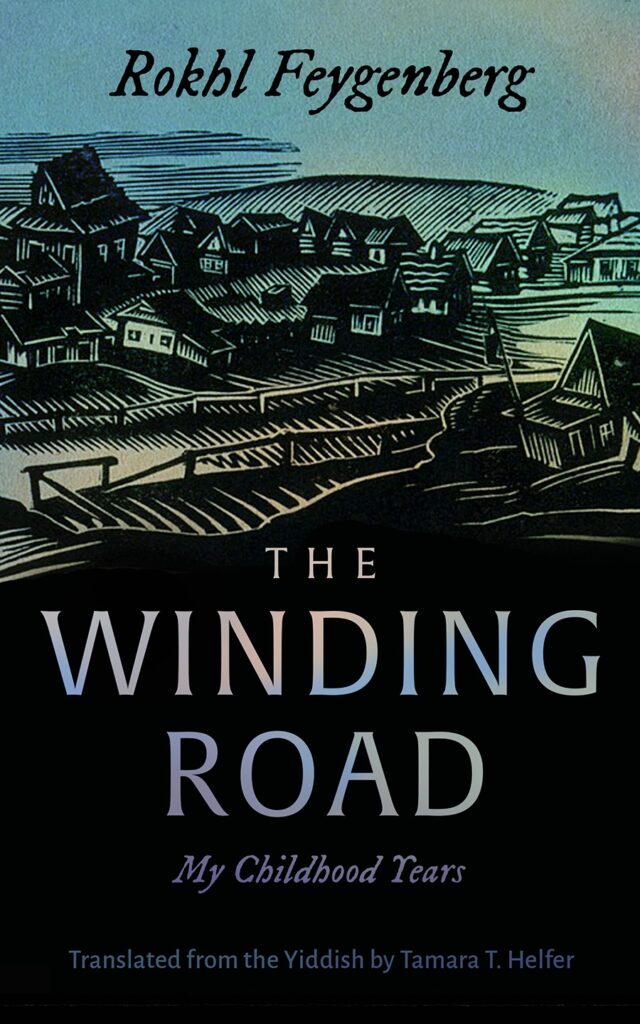
Rokhl Feygenberg became one of the youngest authors published in Yiddish when her autobiographical debut novel, originally called My Childhood Years, was released serially in 1905. The Winding Road, a fictionalized account of her own rough childhood in a small Belarusian shtetl in the 1890s is framed by the deaths of her father when she was five and that of her mother when she was fourteen. Forced to provide and care for her family, the narrator finds escape through books and is inspired by them to invent an alternate fantasy life for herself, transforming the challenges of her everyday into a dreamscape world of city life and romance. In Tamara T. Helfer’s masterful translation, the narrator describes her fictional village of Bulin, deep in wild swampland and forests, far away from the world of books where she finds solace. Readers are enmeshed in the daily rituals of rural Jewish life, following the narrator through her long days of labor and caring for family. Her story, at times funny, at times full of pathos, is a clear-eyed description of youthful imaginings with three-dimensional, flawed characters, and vivid descriptions of everyday shtetl life.
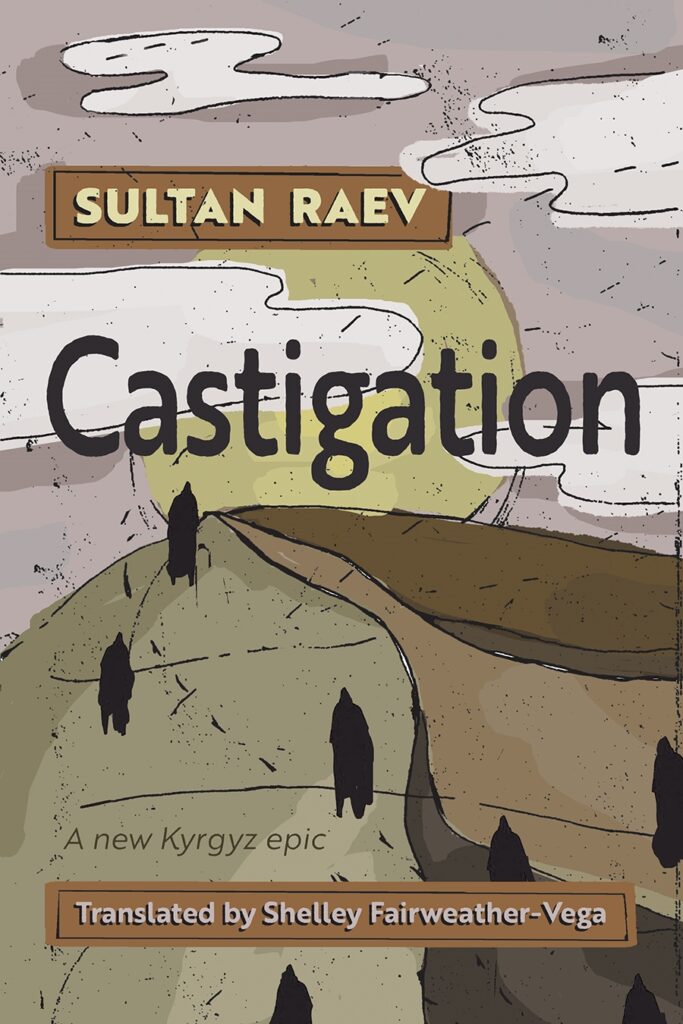
Blending elements of Central Asian epic tradition with surrealist storytelling, in Castigation, Sultan Raev crafts a novel that is at once a scathing critique of power, a meditation on historical violence, and a darkly comic exploration of collective memory. The narrative weaves between present-day desert wanderings and vivid historical reconstructions, challenging readers’ understanding of identity, punishment, and spiritual transformation. Snakes slither through personal and collective histories; eclipses mark moments of existential revelation; and the line between madness and profound insight becomes provocatively blurred. Winner of Kazakhstan’s 2014 Novel of the Year, Castigation offers a stunning meditation on humanity’s capacity for both destruction and transcendence.