

This March sees the release of three new books of fiction from Syracuse University Press, spanning the breadth of world literature and showcasing authors and translators from around the world. Take a closer look at each of the books, now available for preorder, here.
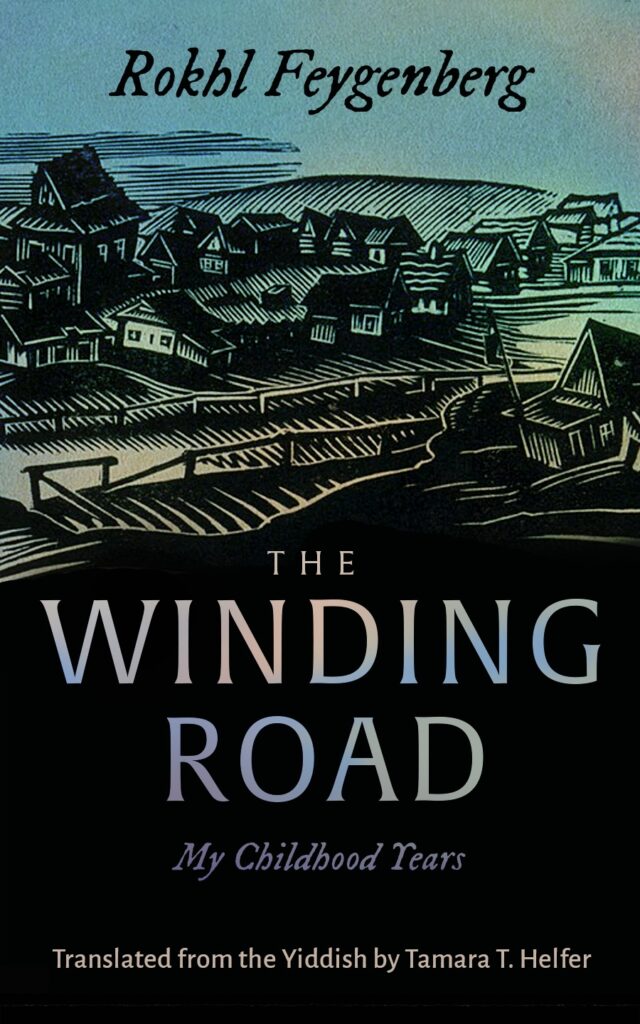
Rokhl Feygenberg became one of the youngest authors published in Yiddish when her autobiographical debut novel, originally called My Childhood Years, was released serially in 1905. The Winding Road, a fictionalized account of her own rough childhood in a small Belarusian shtetl in the 1890s is framed by the deaths of her father when she was five and that of her mother when she was fourteen. Forced to provide and care for her family, the narrator finds escape through books and is inspired by them to invent an alternate fantasy life for herself, transforming the challenges of her everyday into a dreamscape world of city life and romance. In Tamara T. Helfer’s masterful translation, the narrator describes her fictional village of Bulin, deep in wild swampland and forests, far away from the world of books where she finds solace.
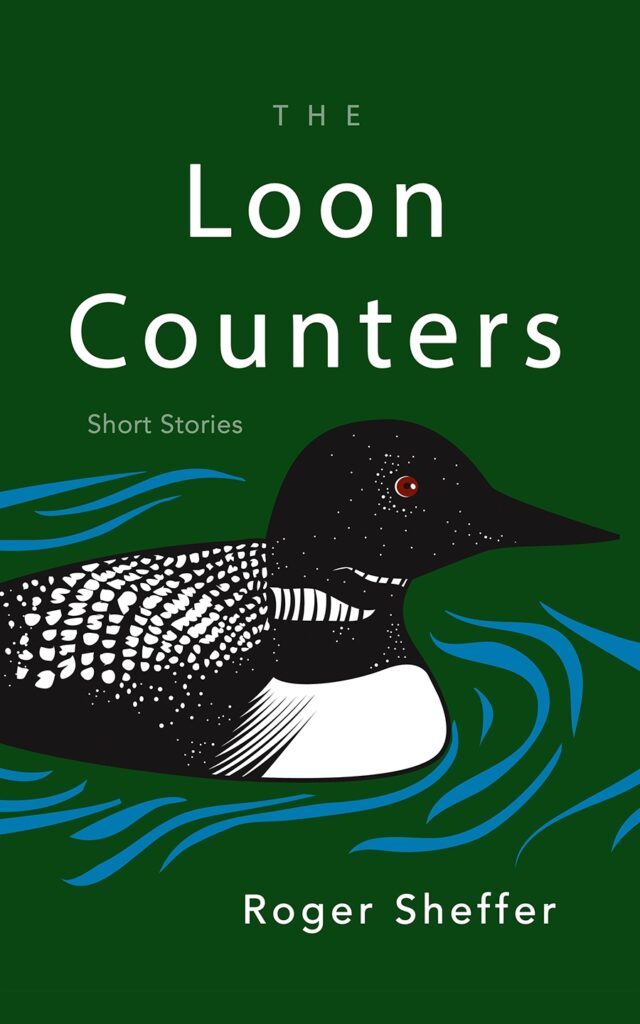
In the fictional Adirondack towns of Silver Lake and Lost River, a colorful cast of residents coexist, sometimes unharmoniously, with seasonal visitors, travelers, and vacationers. Their stories are told in The Loon Counters, which sees the residents and visitors of the community encounter Olympic torchbearers, a mysteriously unseen-but-often-heard violinist, pushy hikers, brooding art museum security guards. The characters recur across stories, seasons, and locations, finely illustrating the subtle shifts in the life of a rural, isolated Adirondack enclave. Across sixteen interconnected stories, Roger Sheffer explores the lives and world of this community of outsiders who call this unique region home. Sheffer crafts stories that speak to the complex charm of the region, the isolation and the community, the nostalgia, and the conservation, all the while finding the small places people carve for themselves in nature.
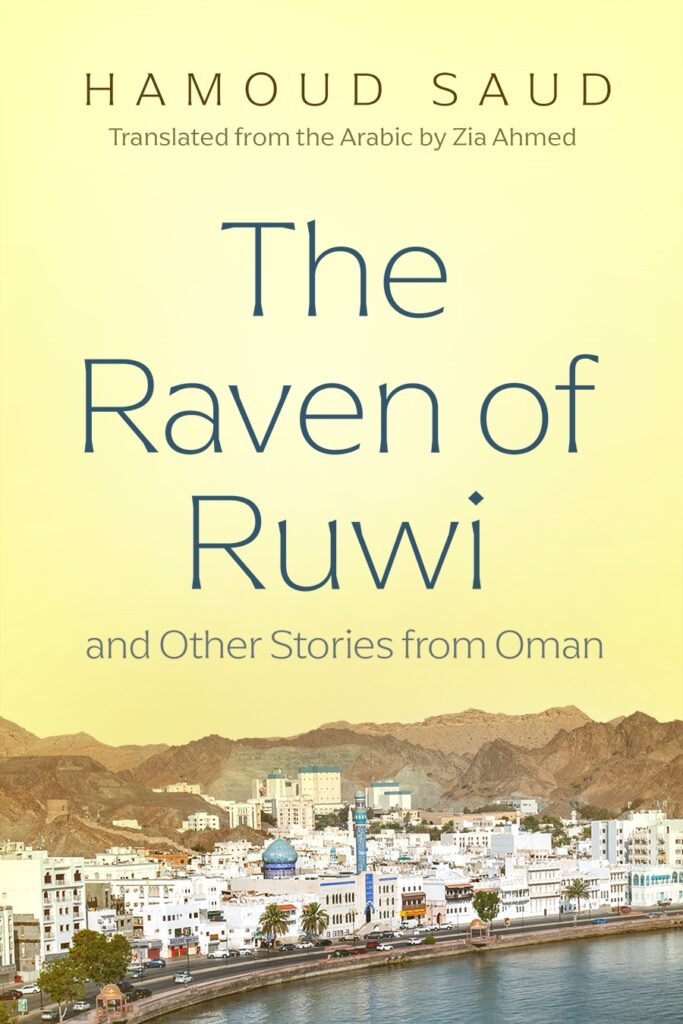
In The Raven of Ruwi and Other Stories from Oman, Omani author Hamoud Saud invites readers into the soul of Muscat, the capital city of Oman, a country famed for its long coastline, rugged mountains, and stark desert landscapes. This geography provides the backdrop for stories that reveal both the beauty and hardship of a country and people on the margins. Saud’s Muscat is not a postcard-perfect city but a living, breathing place of cement forests, forgotten roundabouts, and ravens perched on bank flagpoles. In “The Raven of Ruwi,” a narrator wanders the city’s commercial district where Indian music drifts from balconies and the streets are filled with weary bank workers. In “The Sad Donkey of Muscat,” a blind man recounts the city’s history as told to him by a donkey. And in “Post Office of the Dead,” a forgotten postmaster receives letters from Dostoevsky and Kafka, triggering a surreal unraveling of time and identity.