
"A marvelous book. With an intimate and nuanced understanding of Syrian society, it is a must-read for scholars, students, and policy makers alike."—Dawn Chatty, author of Syria: The Making and Unmaking of a Refuge State
"This is a gorgeously written, multi-character narrative ethnographic treatment of the process of becoming refugees and the complexity of geographic and kinship transitions in contexts of violence and displacement."—Lara Deeb, author of Love Across Difference: Mixed Marriage in Lebanon
Description
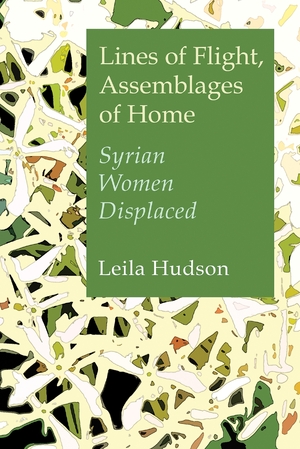
While humanitarian organizations and media outlets often reduce Syrian refugees to statistics or brief anecdotes, the real story of displacement unfolds in the intimate spaces of family life. Through the interwoven narratives of five middle-aged sisters from Damascus, Lines of Flight, Assemblages of Home reveals how Syrian women navigate war, exile, and the profound transformation of their families and identities.
Drawing on extensive interviews conducted between 2015 and 2017, this book follows an extended Sunni Muslim family as they flee their homes in Damascus’s Eastern Ghouta suburbs and scatter across Lebanon, Jordan, Turkey, Egypt, and eventually Europe. As these women move through an increasingly hostile landscape of border controls, refugee camps, and human trafficking networks, they must reinvent themselves—from stable middle-class mothers to resourceful survivors, from guardians of tradition to architects of change. Their journeys challenge conventional assumptions about refugee experiences, revealing how displacement reconfigures family networks, religious practices, and gender roles.
Leila Hudson’s intimate portrait of Syrian displacement offers vital insights for researchers and practitioners working in humanitarian assistance, refugee resettlement, and forced migration. It provides essential reading for anyone seeking to understand how ordinary families navigate extraordinary circumstances, and how women in particular bear both the burdens and opportunities of displacement.
Table of Contents
Introduction
Part One: Damascus Unraveling
1. Out of Assad Village: Salma, 2011
2. Trapped in the City: Maryam, 2011
3. A River of Hope: Hanan, Spring 2011
4. Rebelling Suburbs: Iba, Spring 2012
5. War at the Door: Maryam, Summer 2012
6. Resisting Displacement: Farida, Summer 2012
7. An Organic Architecture
Part Two: Unsettled Homemaking
8. Matriarchal Connectivity: Maryam in Alexandria, 2012–2014
9. Mothering-in-Law: Hanan in Jordan, 2012–2014
10. Disoriented: Iba in Tripoli, 2012–2015
11. Car Troubles: Salma in Tripoli, 2012–2014
12. Xenophobia: Farida in Tripoli, 2013–2014
13. Managing Kin
Part Three: Taking Flight
14. Little Syria: Salma, 2014
15. The Sixth of September: Maryam, 2014
16. Aegean Odyssey: Salma, 2015
17. Reunions and Farewells at Yalova: Hanan, 2015
18. The Camp at Idomeni: Iba, 2016
19. Left Behind: Farida, 2015
20. Reterritorializing: Syria, Turkey, and Germany, 2016–2024
21. Phase Changes
Acknowledgments
Glossary
Bibliography
Index
About the Author
Leila Hudson is associate professor of Middle Eastern studies at the University of Arizona. An anthropologist and historian, she studies culture and political economy in the modern and contemporary Arab world. She is the author of Transforming Damascus: Space and Modernity in an Islamic City and coeditor of Media Evolution on the Eve of the Arab Spring.
October 2025