
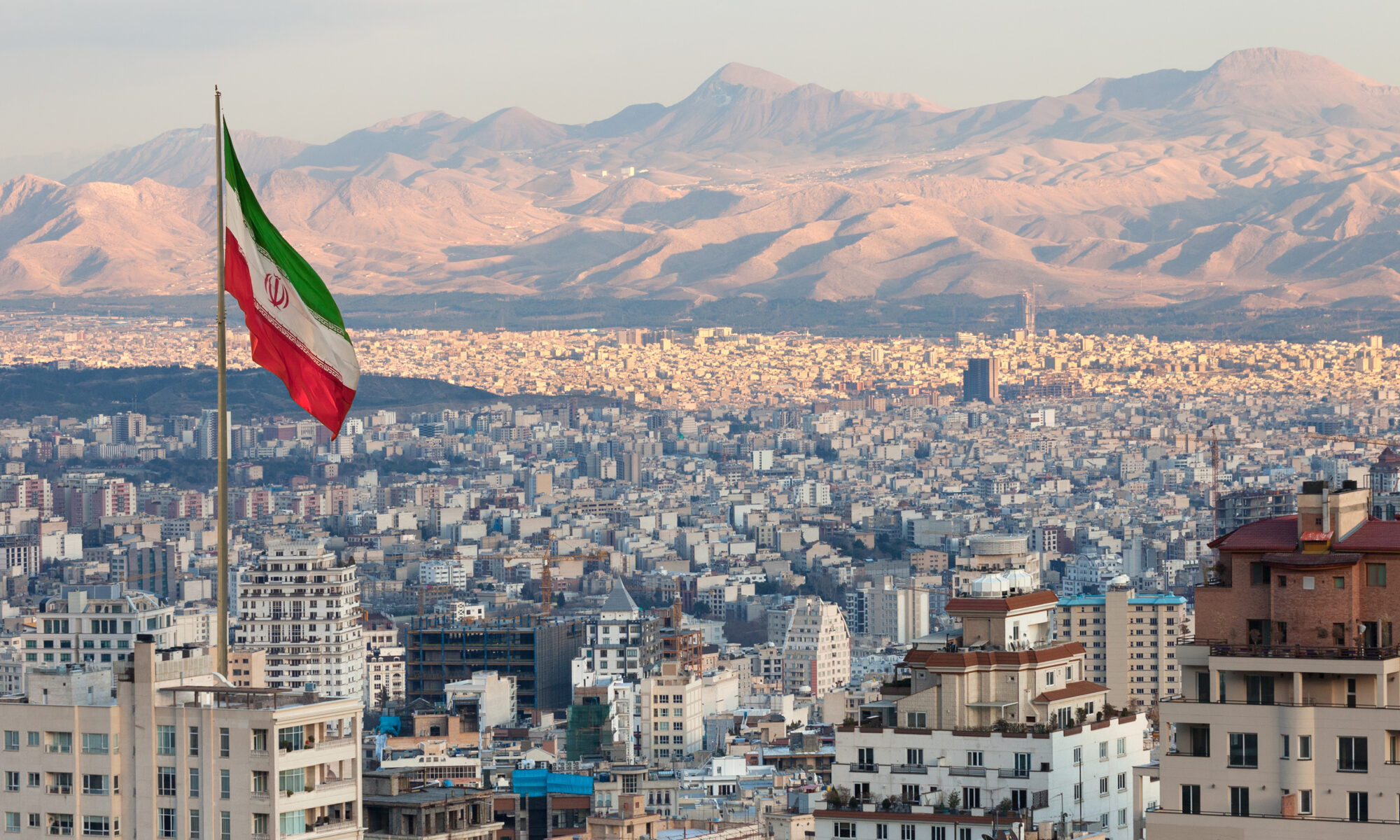
As conflict continues in Iran and the Middle East, we’ve curated a reading list on Iran and stories of the Persian-speaking Middle East. Acquisitions Editor Laura Fish curated the reading list and wrote the introduction.
Nowruz, the celebration of spring in Iran and other Persian-speaking areas of western and central Asia, is nearly here and what should be a festive time of growth, hope, and the beginning of the Iranian new year has become one of fear and mourning. There is still hope that the US-Israeli attacks on Iran will end, though the cost is already so high: lives cut short, and land, cities, resources, and infrastructure destroyed. Prior to these bombings, Iran was already a society strained by authoritarian government and further strangled by imperial interests and ruinous economic sanctions. But Iranians I’ve spoken to in and outside of Iran have talked about a dark night before the light—a different interpretation of Nowruz.
There is more to Iran and Iranians than repression, imperial aggression, bombs, and war. The historical and political context that spotlights the longstanding interference and influence of non-Iranians in Iran is vital to understanding the current conflict. Watershed events in modern Iranian history are overdetermined by European and American interests—to name a few, Russian and British imperial attempts to divide and conquer the country; the discovery of oil; the fall of the Qajar dynasty and rise of the Pahlavi dynasty with European support; the 1953 US/UK-orchestrated coup in support of the shah against the democratically-elected Mohammad Mosaddeq after he nationalized Iranian oil; the 1978–79 Iranian Revolution that ousted the western-friendly Shah, installed an Islamic government that questioned western meddling, and led to the Iran hostage crisis; the Iran-Iraq War, materially supported by the US and European governments; and the attribution of Iran to the Axis of Evil following 9/11 and the start of the Iraq War—but of course non-Iranians are most likely to know about the ones where European and American powers exerted considerable influence.
However, these are not the only stories to tell; these are not the only events that provide context for what we can learn about Iran and the US-Israeli attacks. We cannot rely exclusively on narratives examining the politics and history of US-Israeli-Iranian relations alone. Instead, we must look to examinations of life inside Iran, of connections to the diaspora, to the stories, the cultures, and the peoples who make up Iran, as with any other nation, in all its vibrant contradictions. If we do not urge ourselves to grow through our understandings of Iranian life beyond ideas of conflict, we run the risk of reproducing the very limited, orientalist scope of understanding that has cut us off from Iran in the first place. There must be some light after, or perhaps through, the dark.
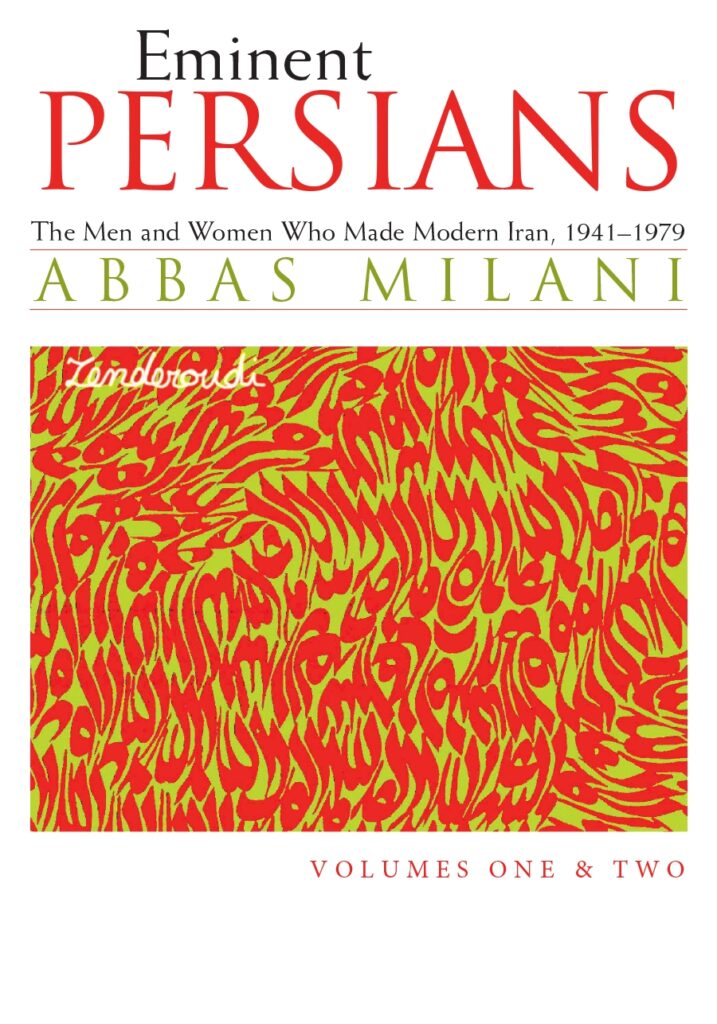
Eminent Persians: The Men and Women Who Made Modern Iran, 1941-1979
Milani’s groundbreaking portrait of modern Iran reveals the country’s rich history through the lives of the men and women who forged it. Consisting of 150 profiles of the most important innovators in Iran between World War II and the Islamic Revolution, the book includes politicians, entrepreneurs, poets, artists, and thinkers who brought Iran into the modern era with brilliant success and sometimes terrible consequences.
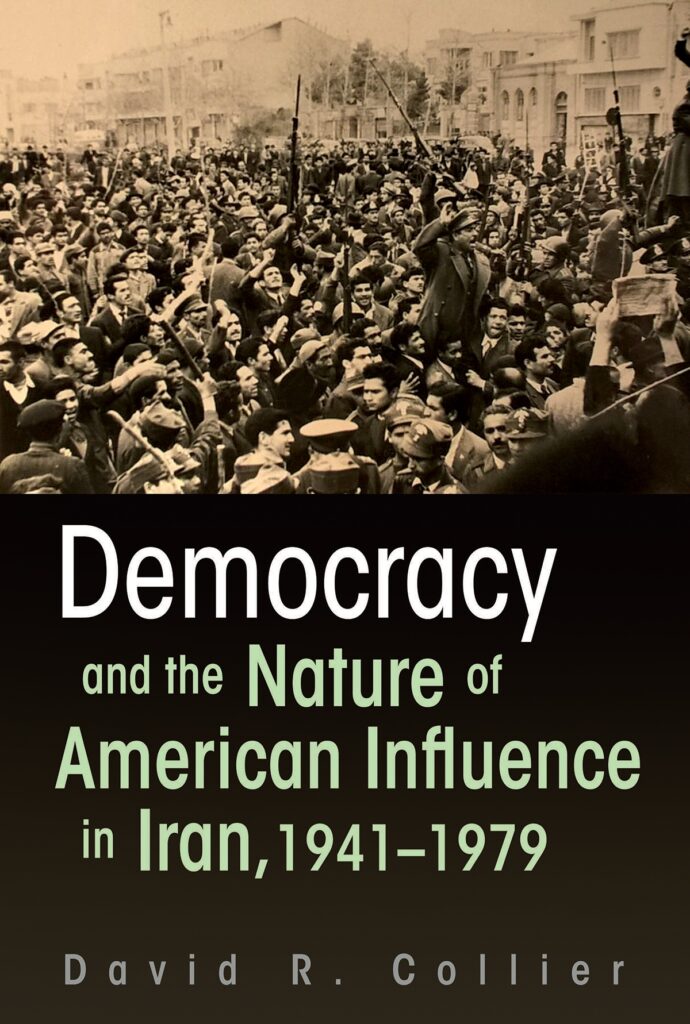
Democracy and the Nature of American Influence in Iran, 1941-1979
Collier presents a timely and fresh reexamination of one of the most important bilateral relationships of the last century. He delves deeply into the American desire to promote democracy in Iran from the 1940s through the early 1960s and examines the myriad factors that contributed to their success in exerting a powerful influence on Iranian politics. By creating a framework to understand the efficacy of external pressure, Collier explains how the United States later relinquished this control during the 1960s and 1970s.
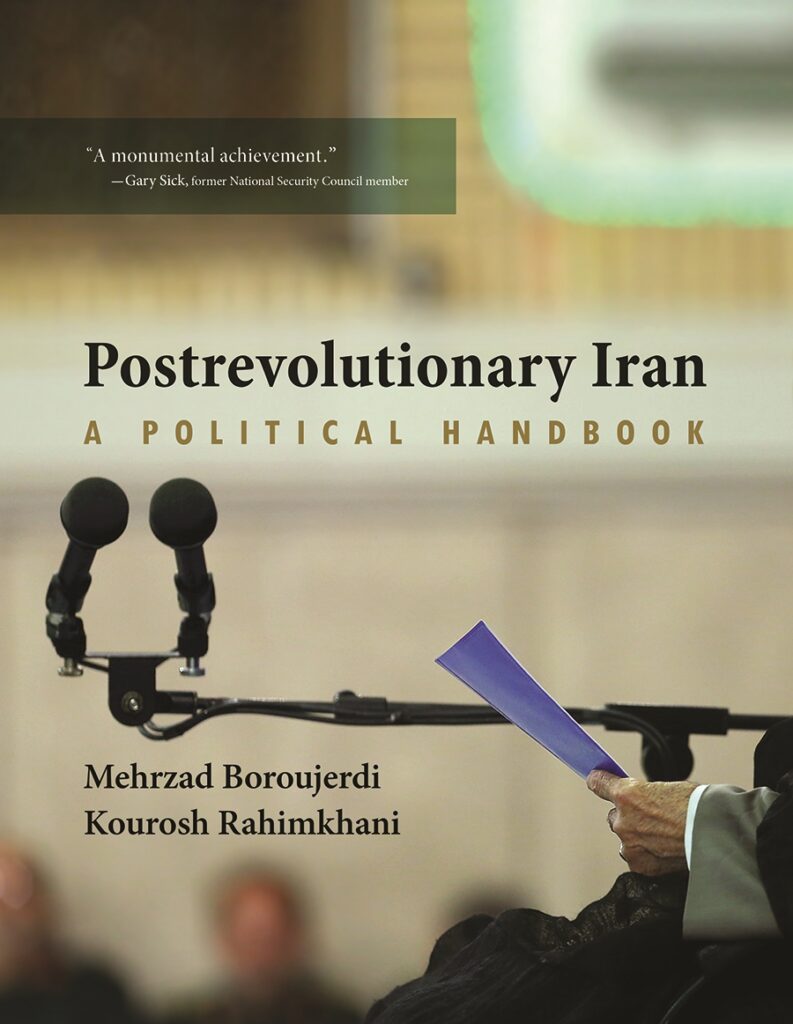
Postrevolutionary Iran: A Political Handbook
Postrevolutionary Iran provides the most comprehensive collection of data on political life in postrevolutionary Iran, including coverage of 36 national elections, more than 400 legal and outlawed political organizations, and family ties among the elite. The book provides biographical sketches of more than 2,300 political personalities ranging from cabinet ministers and parliament deputies to clerical, judicial, and military leaders, much of this information previously unavailable in English.
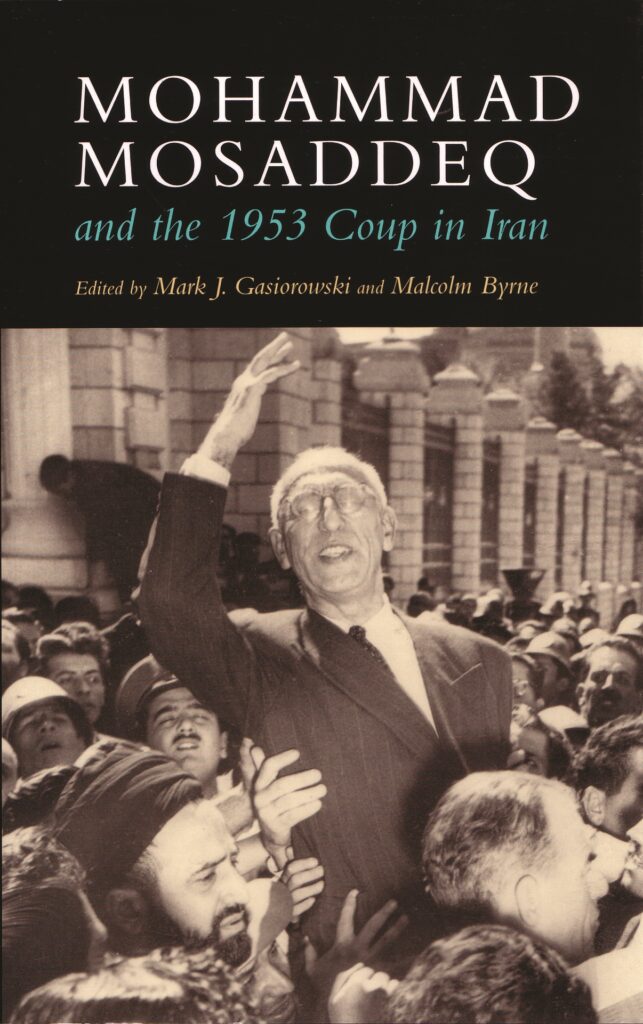
Mohammad Mosaddeq and the 1953 Coup in Iran
Mohammad Mosaddeq became prime minister of Iran in May 1951 and promptly nationalized its British-controlled oil industry, initiating a bitter confrontation between Iran and Britain that increasingly undermined Mosaddeq’s position. He was finally overthrown in August 1953 in a coup d’état organized and led by the U.S. Central Intelligence Agency, along with British intelligence. This coup initiated a twenty-five-year period of growing dictatorship in Iran, leaving many Iranians resentful of the U.S.—legacies that still haunt relations between the two countries today.This book examines the turbulent political climate that prevailed in Iran during Mosaddeq’s tenure, the confrontation between Iran and Britain for control over Iran’s oil, the strategic considerations that led U.S. officials to intervene, and the details of the coup itself. Based on exhaustive research by leading academic experts in the field, this is the most authoritative account of the tragic events that led to the overthrow of Mosaddeq.
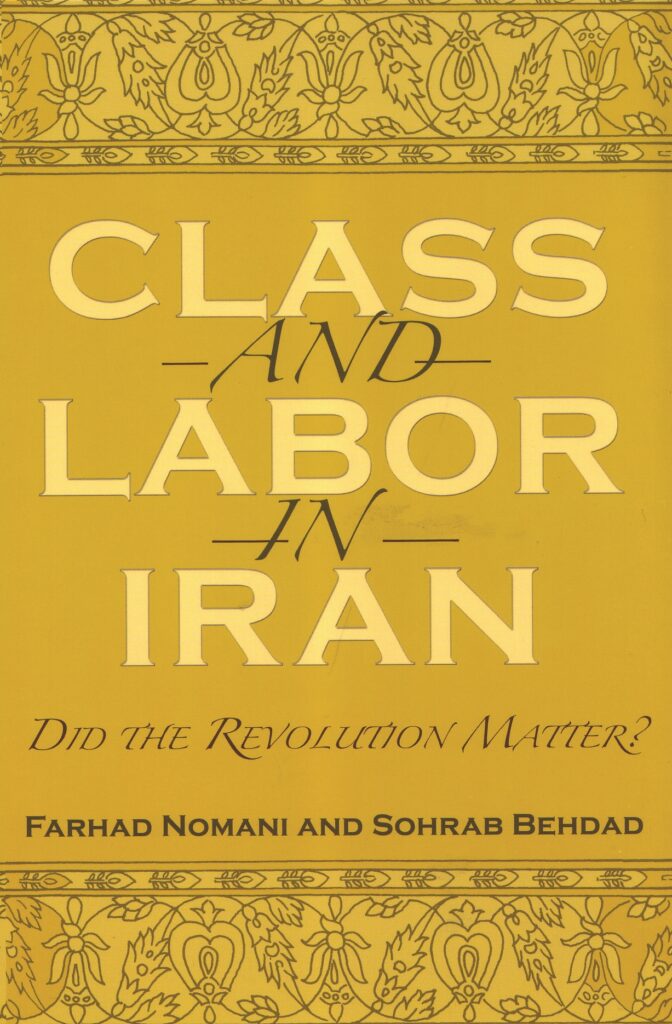
Class and Labor in Iran: Did the Revolution Matter?
In this pioneering work Farhad Nomani and Sohrab Behdad provide a comprehensive analysis of the dynamics of change and class configuration in Iranian society. Using an empirical framework, they map the trajectory of class changes over time, specifically noting the movements between prerevolutionary and postrevolutionary Iran. A centerpiece of the book is its analysis of the changes in the pattern of employment of women in the postrevolutionary period.
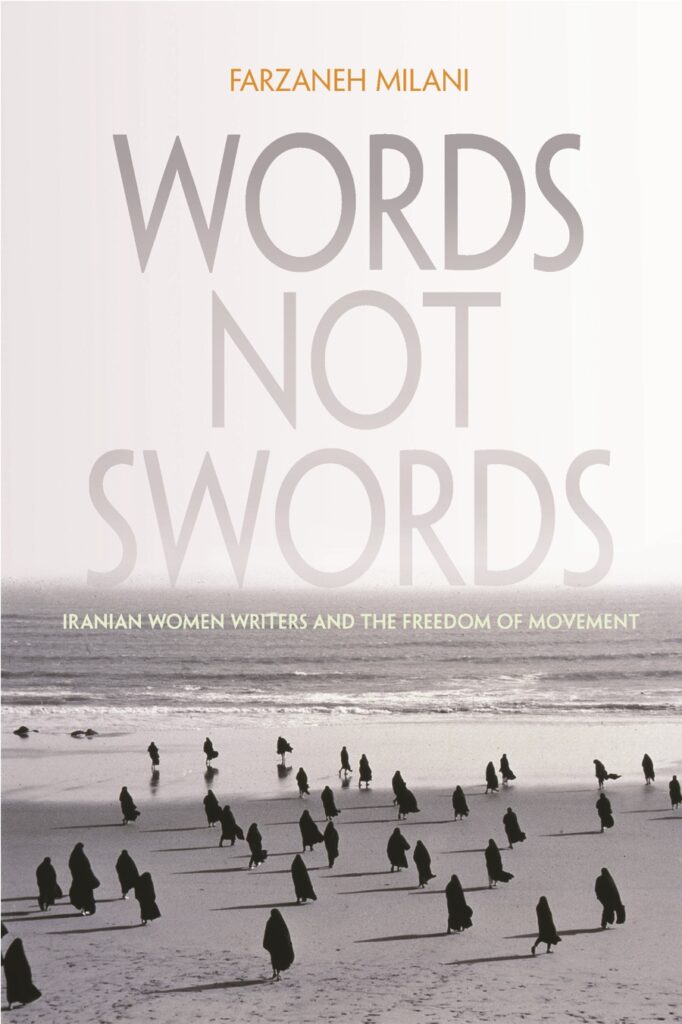
Words, Not Swords: Iranian Women Writers and the Freedom of Movement
Words, Not Swords explores the legacy of gender segregation and its manifestations in Iranian literature and film and in notions of beauty and the erotics of passivity. Farzaneh Milani expands her argument beyond Iranian culture, arguing that freedom of movement is a theme that crosses frontiers and dissolves conventional distinctions of geography, history, and religion. Milani makes bold connections between veiling and foot binding, between Cinderella and Barbie, between the figures of the female Gypsy and the witch. In so doing, she challenges cultural hierarchies that divert attention from key issues in the control of women across the globe.
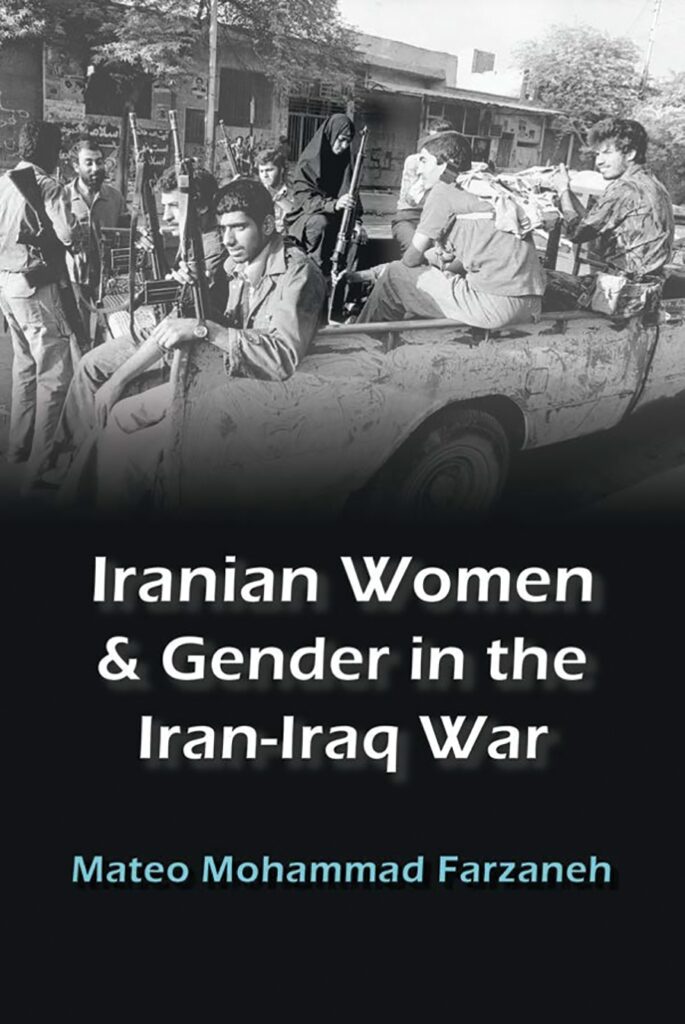
Iranian Women and Gender in the Iran-Iraq War
Eighteen months after Iran’s Islamic Revolution in 1979, hundreds of thousands of the country’s women participated in the Iran-Iraq War (1980–88) in a variety of capacities. Iran was divided into women of conservative religious backgrounds who supported the revolution and accepted some of the theocratic regime’s depictions of gender roles, and liberal women more active in civil society before the revolution who challenged the state’s male-dominated gender bias. However, both groups were integral to the war effort, serving as journalists, paramedics, combatants, intelligence officers, medical instructors, and propagandists. Behind the frontlines, women were drivers, surgeons, fundraisers, and community organizers. The war provided women of all social classes the opportunity to assert their role in society, and in doing so, they refused to be marginalized.
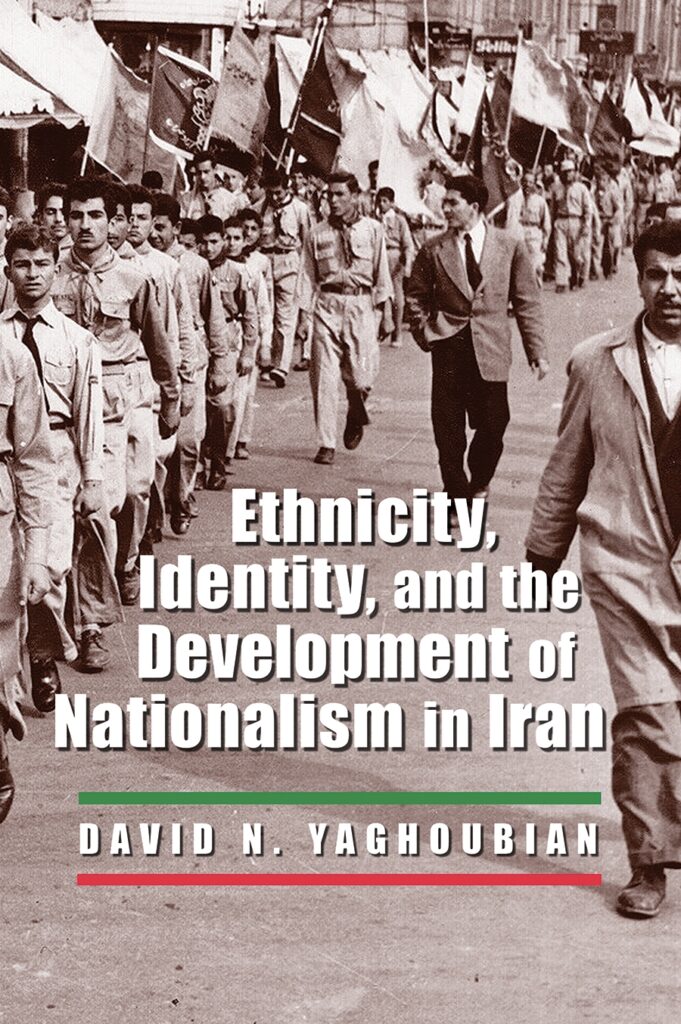
Ethnicity, Identity, and the Development of Nationalism in Iran
Ethnicity, Identity, and the Development of Nationalism in Iran investigates the ways in which Armenian minorities in Iran encountered Iranian nationalism and participated in its development over the course of the twentieth century. Based primarily on oral interviews, archival documents, memoirs, memorabilia, and photographs, the book examines the lives of a group of Armenian Iranians—a truck driver, an army officer, a parliamentary representative, a civil servant, and a scout leader—and explores the personal conflicts and paradoxes attendant upon their layered allegiances and compound identities. In documenting individual experiences in Iranian industry, military, government, education, and community organizations, the five social biographies detail the various roles of elites and nonelites in the development of Iranian nationalism and reveal the multiple forces that shape the processes of identity formation.
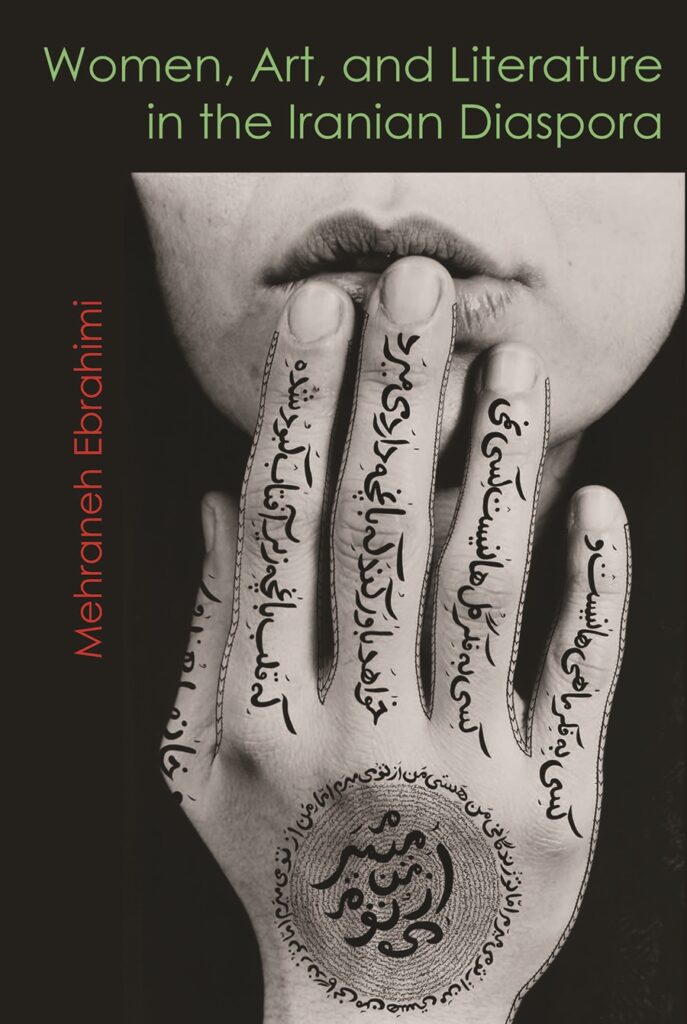
Women, Art, and Literature in the Iranian Diaspora
Does the study of aesthetics have tangible effects in the real world? Does examining the work of diaspora writers and artists change our view of “the Other”? In this thoughtful book, Ebrahimi argues that an education in the humanities is as essential as one in politics and ethics, critically training the imagination toward greater empathy. In examining creative work by women of Iranian descent, Ebrahimi argues that Shirin Neshat, Marjane Satrapi, and Parsua Bashi make the Other familiar and break a cycle of reactionary xenophobia.
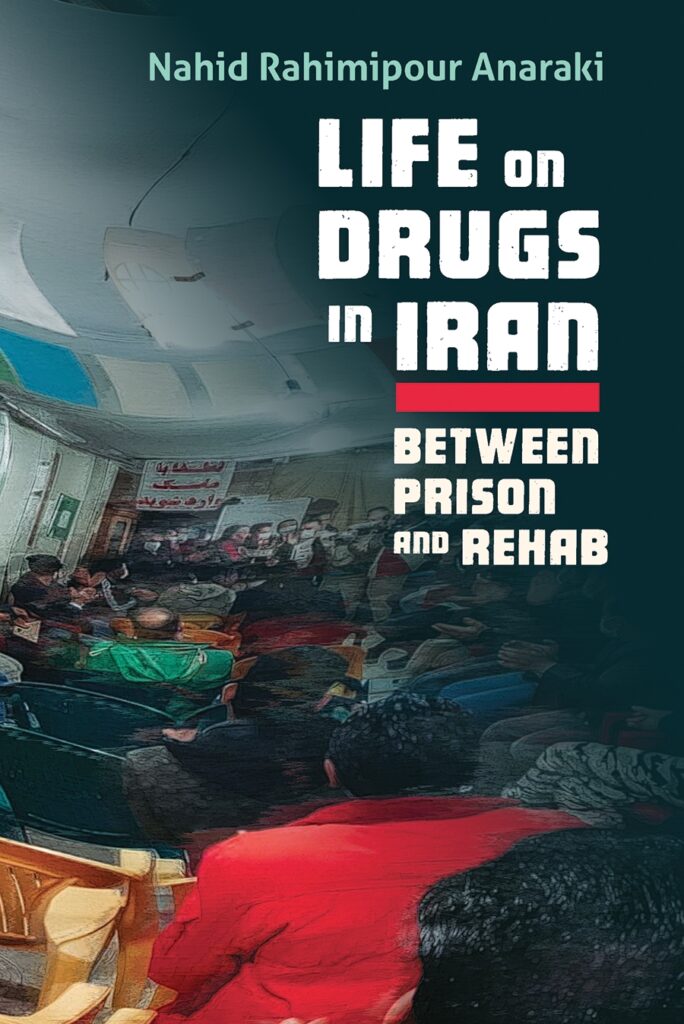
Life on Drugs in Iran: Between Prison and Rehab
When they initiated a war on drugs in 1979, Iran developed a reputation as having some of the world’s harshest drug penalties and as an opponent of efforts to reform global drug policy. As mass incarceration failed to stem the growth of drug use, Iran shifted its policies in 1990 to introduce treatment regimens that focus on rehabilitation. While most Muslim countries and some Western states still do not espouse welfare-oriented measures, Iran has established several harm-reduction centers nationwide through the welfare system for those who use substances. In doing so, Iran moved from labeling drug users as criminals to patients. In Life on Drugs in Iran, Anaraki moves beyond these labels to explore the lived experience of those who use and have used illicit substances and the challenges they face as a result of the state’s shifting policies.
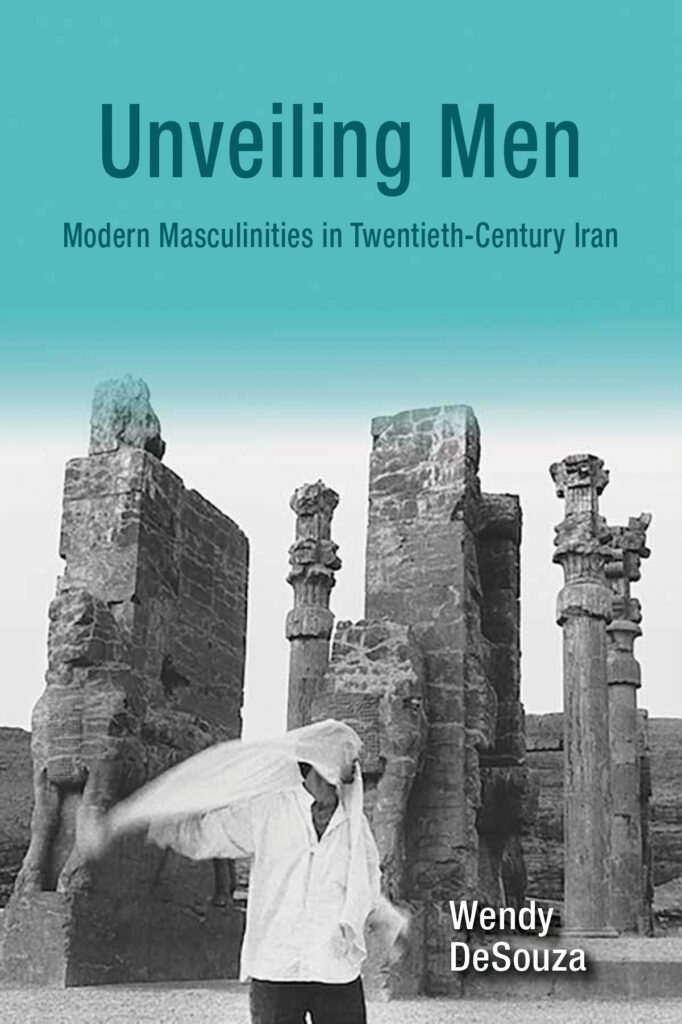
Unveiling Men: Modern Masculinities in Twentieth-Century Iran
For years, Iranian academics, writers, and scholars have equated national development and progress with the reform of men’s sexual behavior. Modern intellectuals repudiated native sexuality in Iran, just as their European counterparts in France and Germany did, arguing that transforming male identity was essential to the recovery of the nation. DeSouza offers an alternate narrative of modern Iranian masculinity as an attempt to redraw social hierarchies among men. Moving beyond rigid portrayals of Islamic patriarchy and female oppression, she analyzes debates about manhood and maleness in early twentieth-century Iran, particularly around questions of race and sexuality.
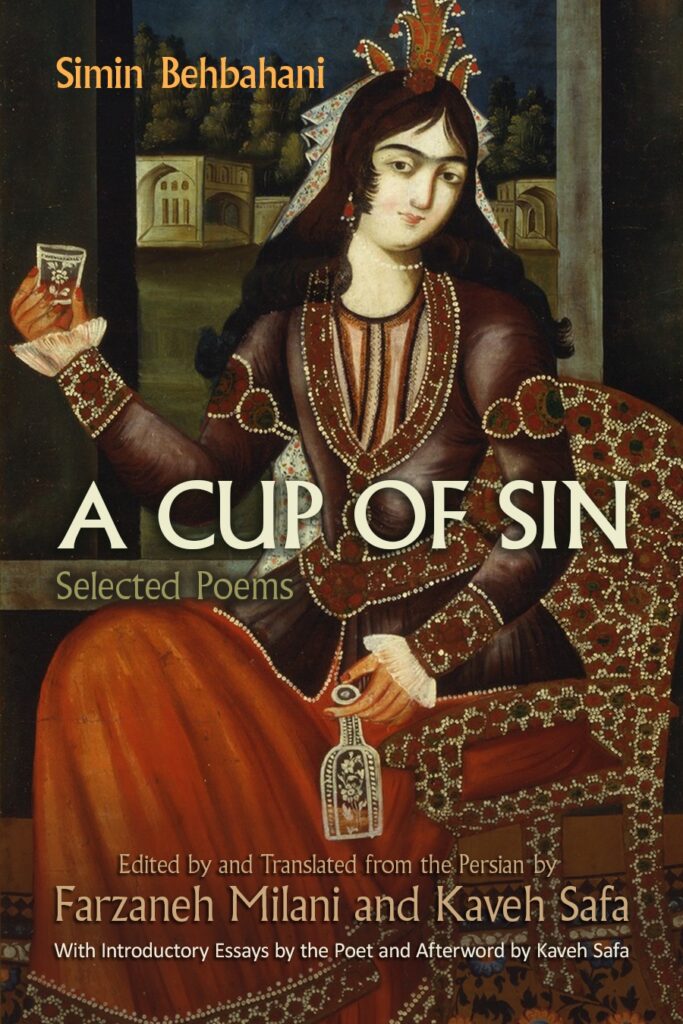
Simin Behbahani’s collection contains some of the most formative work of twentieth-century Persian literature. Written over almost a half-century, much of her poetry reflects the traumatic experiences that have shaped Iranian history: revolution and war. Behbahani balances artful inquiry and shocking realism in both her language and imagery to probe the depths of political, cultural, and moral oppression. In the traditional verse of the ghazal, she improvises with meter to echo and provide new interpretations.
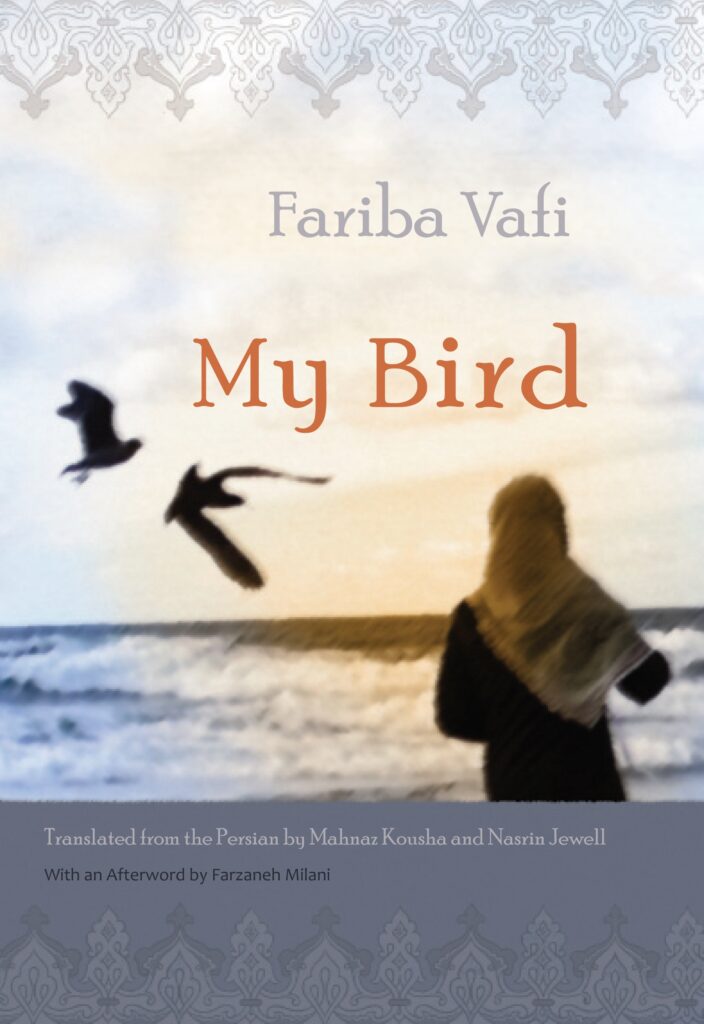
In this powerful story of life, love, and the demands of marriage and motherhood, Fariba Vafi gives readers a portrait of one woman’s struggle to adapt to the complexity of life in modern Iran. The narrator, a housewife and young mother living in a low-income neighborhood in Tehran, dwells upon her husband Amir’s desire to immigrate to Canada. His peripatetic lifestyle underscores her own sense of inertia. When he finally slips away, the young woman is forced to raise the children alone and care for her ailing mother. Demystifying contemporary Iran by taking readers beyond the stereotypes and into the lives of individuals, Vafi is one of the most important voices in Iranian literature.
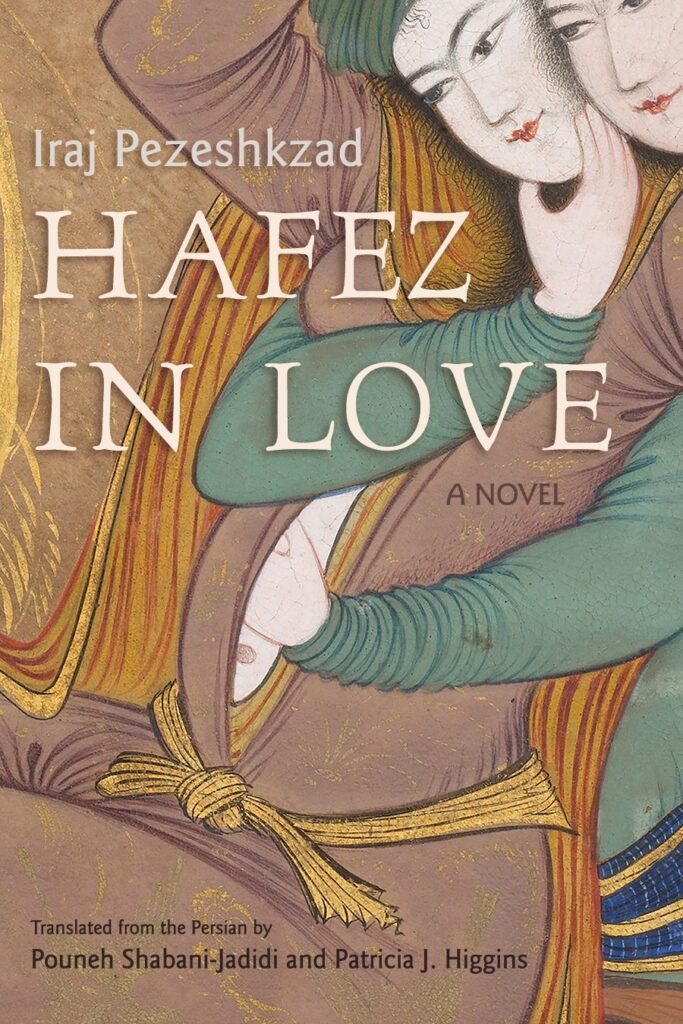
Shams al-Din Mohammad Hafez is in love. He is in love with a girl, with a city, and with Persian poetry. Despite his enmity with the new and dangerous city leader, the jealousy of his fellow court poets, and the competition for his beloved, Iran’s favorite poet remains unbothered. When his wit and charm are not enough to keep him safe in Shiraz, his friends conspire to keep him out of trouble. But their schemes are unsuccessful. Nothing will chase Hafez from this city of wine and roses.
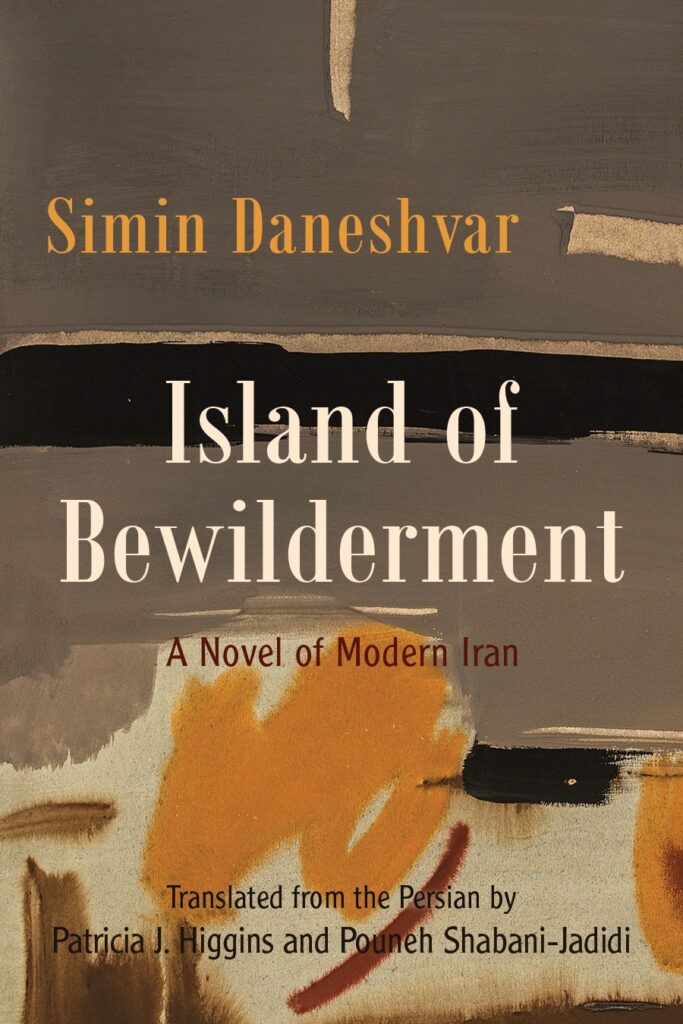
Island of Bewilderment: A Novel of Modern Iran
Twenty-six-year-old college graduate, artist, and employee of the Ministry of Art and Culture, Hasti Nourian aspires to be a “new woman”—independent-minded, strong-willed, and in control of her own destiny. A destiny that includes Morad, an idealistic young architect and artist with whom Hasti is deeply in love. Morad is a sharp critic of Iran’s Westernized bourgeois class, the one that Hasti’s mother relishes. Set in Tehran in the mid-1970s, just a few years before the 1977–79 revolution, Daneshvar’s unforgettable novel depicts the tumultuous social, cultural, and economic changes of the day through the intimate story of a young woman’s struggle to find her identity.