

August is Women in Translation Month, a time to celebrate international women’s writers and women translators, as well as their effort to widen the reach of literature from around the world. At Syracuse University Press, we have a long tradition of publishing translated work from women around the world. All month long, save 40% on our works in translation and consider some of the below selections to add to your library.
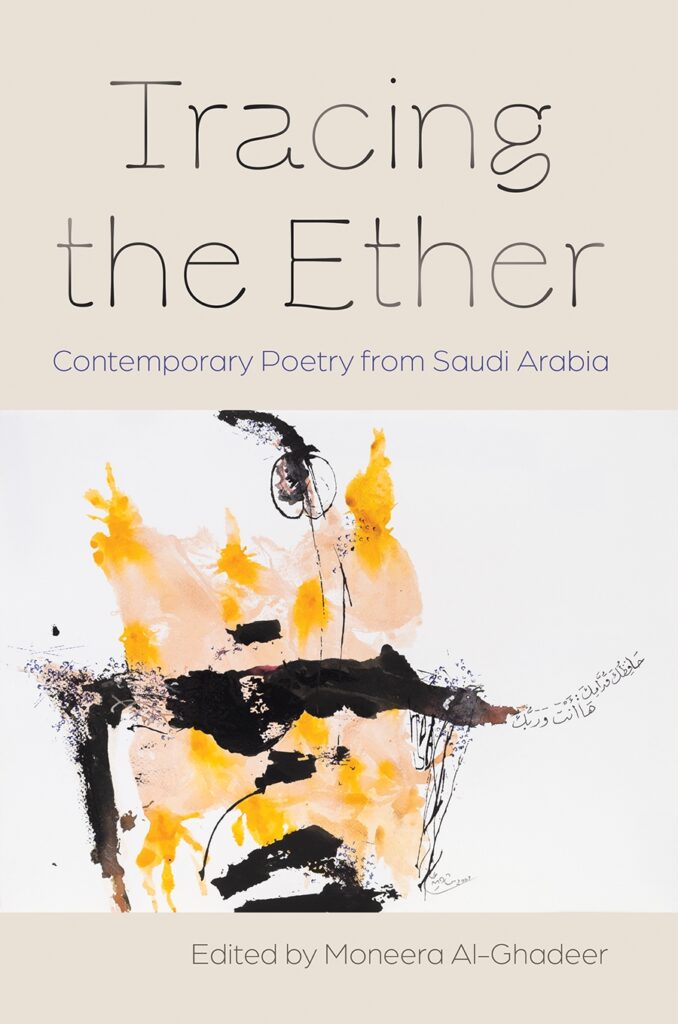
An expansive bilingual anthology, Tracing the Ether showcases twenty-six acclaimed Saudi poets who are reimagining their place in our interconnected, digital world. Breaking away from the traditional focus on pre-Islamic Arabian poetry, this collection presents sixty-two contemporary poems that engage boldly with modernity, cyberspace, and globalization. These award-winning poets employ innovative forms and speculative frameworks to explore how social media and digital culture are reshaping notions of home, identity, and cultural boundaries. Their work demonstrates that far from merely imitating Western models, Saudi poets are crafting distinctive voices that speak to universal human experiences while remaining grounded in their cultural context.
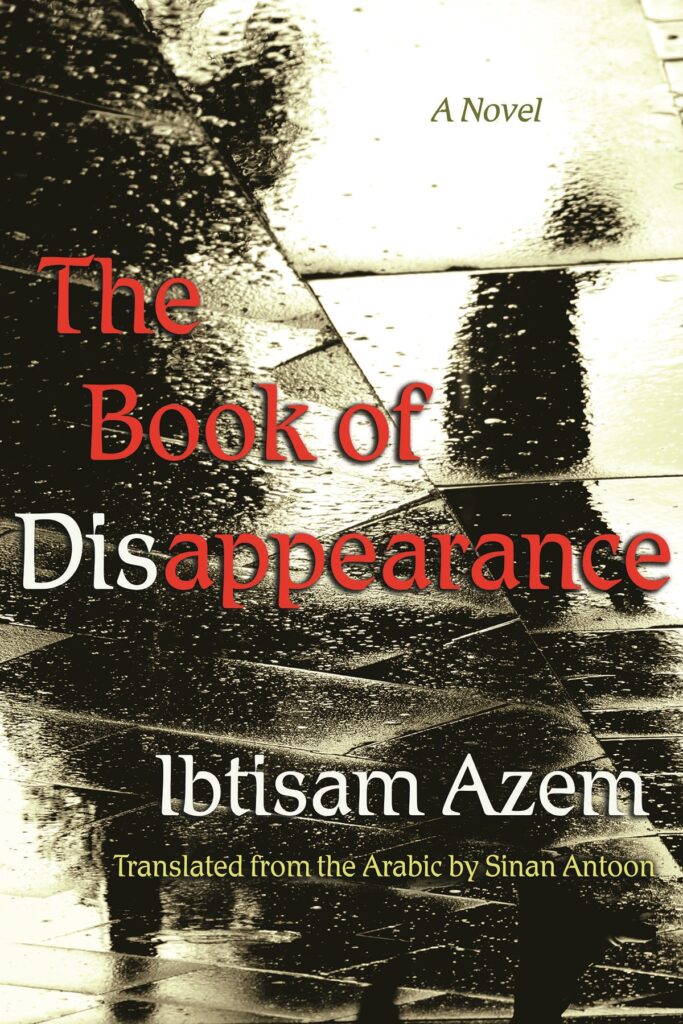
What if all the Palestinians in Israel simply disappeared one day? What would happen next? How would Israelis react? These unsettling questions are posed in Ibitsam Azem’s powerfully imaginative novel, The Book of Disappearance. Set in contemporary Tel Aviv forty eight hours after Israelis discover all their Palestinian neighbors have vanished, the story unfolds through alternating narrators, Alaa, a young Palestinian man who converses with his dead grandmother in the journal he left behind when he disappeared, and his Jewish neighbor, Ariel, a journalist struggling to understand the traumatic event. Through these perspectives, the novel stages a confrontation between two memories. Ariel is a liberal Zionist who is critical of the military occupation of the West Bank and Gaza, but nevertheless believes in Israel’s project and its national myth. Alaa is haunted by his grandmother’s memories of being displaced from Jaffa and becoming a refugee in her homeland. Ariel’s search for clues to the secret of the collective disappearance and his reaction to it intimately reveal the fissures at the heart of the Palestinian question.
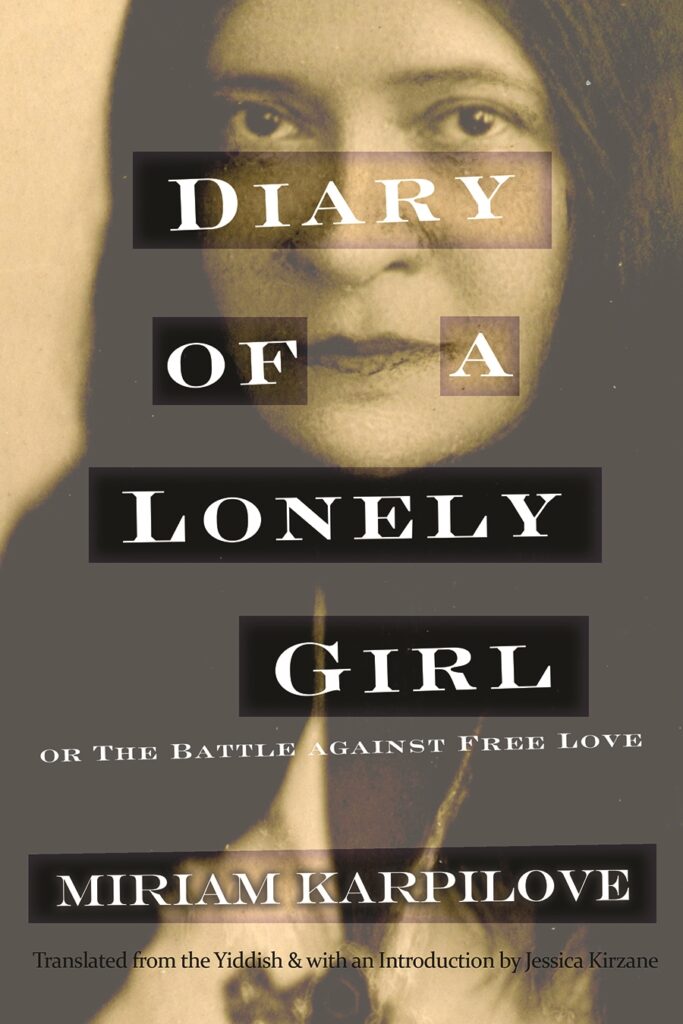
First published serially in the Yiddish daily newspaper di Varhayt in 1916–18, Diary of a Lonely Girl, or The Battle against Free Love is a novel of intimate feelings and scandalous behaviors, shot through with a dark humor. From the perch of a diarist writing in first person about her own love life, Miriam Karpilove’s novel offers a snarky, melodramatic criticism of radical leftist immigrant youth culture in early twentieth-century New York City. Squeezed between men who use their freethinking ideals to pressure her to be sexually available and nosy landladies who require her to maintain her respectability, the narrator expresses frustration at her vulnerable circumstances with wry irreverence. The novel boldly explores issues of consent, body autonomy, women’s empowerment and disempowerment around sexuality, courtship, and politics.
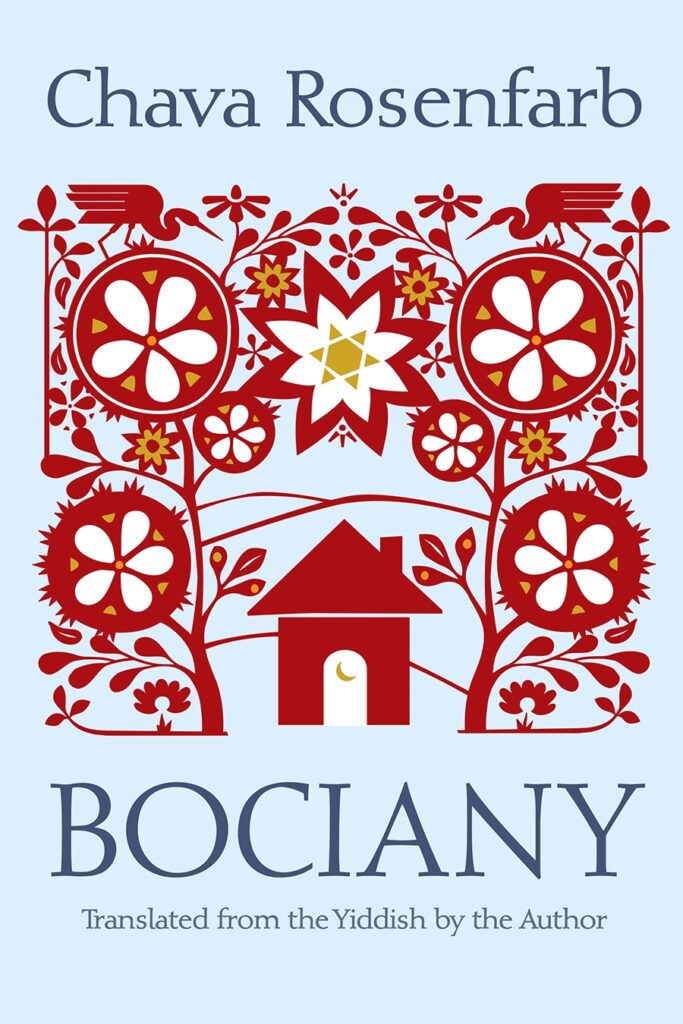
In Bociany, author Chava Rosenfarb offers completely absorbing portrayals of Jews and Christians from several walks of life in the shtetl. Her primary characters are the scribe’s widow Hindele, her son Yacov, the chalk vendor Yossele Abedale, and his daughter Binele. Jewish relations with neighboring Catholics are generally civil, if complicated. Despite living next door to a convent, Hindele finds the nuns’ behavior implacably alien. Rosenfarb establishes an indelible sense of place, evoking its charm and the shtetl residents’ ease with the natural world.